How to Find a Good Dog Breeder Without Getting Scammed

The Wrong Breeder Will Break Your Heart… And Your Bank Account.

Nearly half of U.S. households have at least one dog, and over 2 million puppies are sold each year. Most come from commercial breeders, but like any unregulated industry, practices range from exceptional to criminal. It’s a buyer beware market, and it’s up to us to know the difference.

With a few clicks and a little (or a lot) of AI help, anyone can create an attractive, legitimate-looking website. While I love being able to order emergency underpants at 2 in the morning, purchasing a puppy shouldn’t be as simple as buying a screaming goat figurine. 

There are good dog breeders out there, but they rarely show up in the first few search results. It’s worth the time to find our new best friend without funding breeders who care more about money and the latest “designer” dog fad that hides health and behavioral issues, as I covered in my previous doodle deep dive.


Prefer to listen?

Neuroqueer: At the Intersection of Neurodivergence and Queerness Amy Says Things


The Best Breeders Aren’t Where You Think They Are 

The best way to find a good breeder is to take your search offline. They don’t have time for flashy websites or active social media: they’re busy going to shows, training, participating in sports, or working their dogs in the field. Dog shows and sporting events are filled with dog nerds who can tell you who’s good and who you should avoid. Breed-specific clubs can point you to local meetups and events. 

If you’re interested in a particular dog sport or activity, attend events and talk to participants and watch your potential dog in action. Seeing a Belgian Malinois crush it at a Schutzhund trial gives you a solid idea of how athletic and intense they are, and their handlers can help you decide if a malligator is a good fit for your family and lifestyle. (Spoiler: the answer is “don’t get one unless you’re nuts”)

If you’re allergic to people, disabled (or live with someone who is), or live in a rural area, breed specific websites are a good place to start. Social media groups are hit and miss. There are genuine experts in them, but they’re outnumbered by pet owners, loud opinions, and the occasional grifter. You can spot the dog nerd by their 1,000+ word essays, complete with footnotes and citations.

Why “Available Now” Puppies Are a Bad Sign

You’ve fallen in love with a breed, found good advice from fellow enthusiasts, and even have a few recommendations. Now all you have to do is visit their site, order your puppy, and start your life with your new bestie, right?

Wrong.

Now the real work begins. 
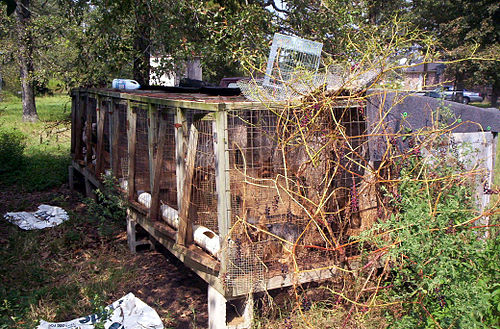
A row of poorly maintained wooden cages found at a puppy mill. There is debris on top of the cages and on the ground in front of them.

Start with the Humane World’s Horrible Hundred list. It highlights the worst puppy mills and hoarders keeping dogs in inhumane conditions while selling sick and undersocialized puppies to unsuspecting buyers. It’s a solid place to start, but plenty of unethical breeders don’t make this list. 

Red And Green Flags

They’re not one of the Horrible Hundred? Great! That’s the first (and easiest) step.

Head on over to their website and be skeptical. Treat cute puppy pictures like dessert and save ‘em for last. The best breeders have informative sites worth bookmarking instead of just puppies for sale.

Look for badges from professional associations like AKC’s Bred with H.E.A.R.T, and other breed clubs, usually at the top or bottom of the page. They’re not guarantees, but there are minimum standards breeders have to uphold in order to be in good standing with them. Take note of any you find, and check out the associations to see if their standards align with your expectations. 

Look for breeders who produce champions, even if you don’t plan on showing. Not every puppy is cut out for the ring, but those that aren’t make excellent pets. “Champion line” is meaningless and often a sign of overbred, undersocialized dogs. These dogs have a much higher chance of genetic diseases and behavior problems.


⚠️ Red Flags Beyond Comic Sans 

  • Typos, broken links, or sites built on free templates.
  • Tons of puppy glamour shots with nothing on parents.
  • “Clearance” sales or “rare designer colors.”
  • Affiliate link spam or MLMs.
  • Puppies shown on multiple websites or in stock photos (run a reverse image search!).

What To Know About Health Testing

More buyers know to ask about health testing, and I’m here for it. The gold standard comes from the Orthopedic Foundation for Animals (OFA), an organization dedicated to reducing genetic diseases in companion animals. Breeding dogs are tested for both genetic and joint diseases and are searchable in a public database. Puppies can get preliminary testing on their joints.


⚠️ Red flag: breeders who only list preliminary OFA results (or none at all).


Make sure their vet is a licensed DVM, and that a vet administers puppy vaccines. Avoid anyone who does their own vaccinations or has their vet tech/vet assistant “friend” do them. Breeders who do this put everyone at a higher risk of disease.

Buyer Beware: Facebook Puppies and Barking Vet Bills

During my research, I ran across a site that featured a happy celebrity holding one of their dogs. Sure, it’s exciting for the breeder, but a celebrity endorsement doesn’t mean jack when it comes to their health or temperament.
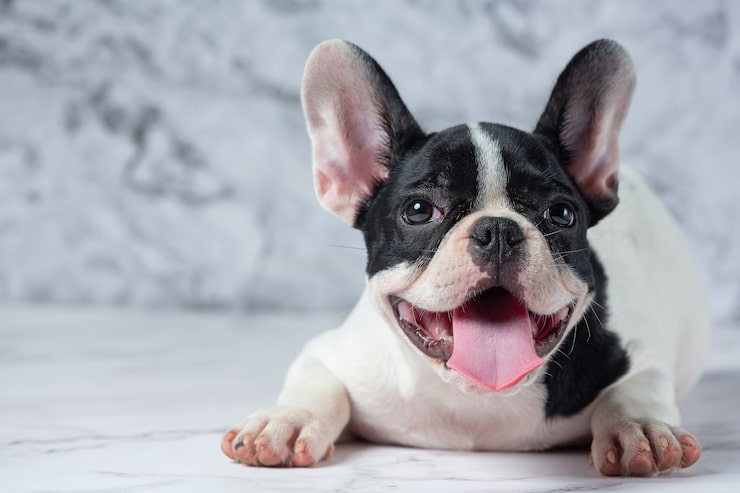
A black and white French bulldog looks at the camera with a smile. Frenchies and other popular breeds are common victims of puppy mills.

Image via freepik.com

When someone is offering a rainbow of popular small and toy breeds, there’s a good chance you’re looking at a puppy mill. Mothers are stacked in cages in a misery parfait, and you’re going to inherit some problems.

Some bully breeders advertise their dogs like a UFC promo. Look closely: you’ll see an alarming amount of inbreeding sold as “proof” of their quality. If their family tree looks like 16th century European royalty, it’s a genetic time bomb. You’re going to shell out big bucks at the vet, and if you’re really unlucky, a behaviorist.

For the love of everything holy, do not buy puppies from Craigslist, Facebook Marketplace, or broker-style websites. These places are full of scammers plus the worst backyard breeders and puppy mills. I’ve known more than one heartbroken pet parent who lost their brand new puppy to parvo, only to be ghosted by their “breeder.” These people don’t deserve your hard-earned money.

Trust, But Verify: See Through BS to Find Reputable Breeders

It’s not enough to take a breeder at their word. 

  • Call up their vet and see what they say. If they’re good, the vet, or at least their front desk, will happily sing their praises. 
  • Go to OFA.org and look for the parent certification. (and puppy, if provided)
  • Cross-check their breeder associations and make sure they’re in good standing.

Anything and everything that leads to an outside source has to be double-checked.
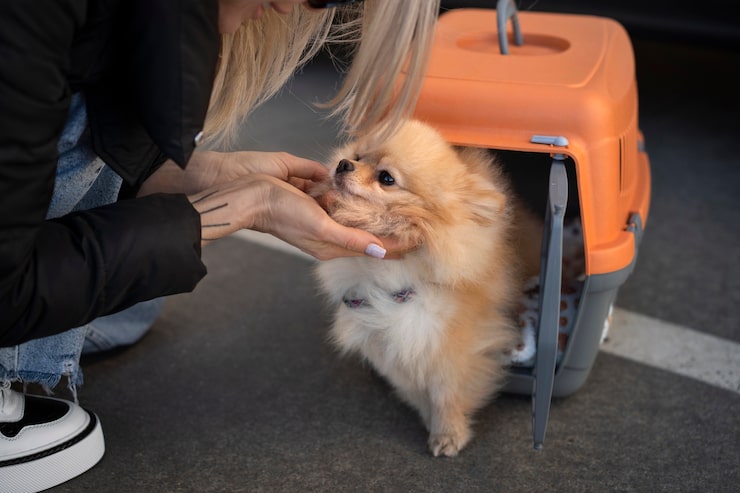
A woman kneels down to greet a Pomeranian puppy exiting a plastic carrier. Puppies sometimes travel thousands of miles from their breeder in order to get to their new home. 

Image via freepik.com

⚠️ If they say “trust me, bro,” assume they’re shady. 


Five Stars or Felonies? Know Who You’re Dealing With

Breeder websites naturally cherry pick the best reviews. What do Google, Yelp, and social media say? Is it consistent, or are there a lot of angry people complaining about the breeder elsewhere?

Next, head over to the Better Business Bureau and check for complaints and reviews. A high rating means they respond to customer complaints, but won’t tell you if they’re ethical.

Finally, look for any civil or criminal complaints against the breeder or their business. A good breeder might get sued (it happens), but anyone with several civil cases or animal cruelty charges should never get your business. 

Pre-Puppy Playdates Help You Find Breeders Who Pass The (Literal) Sniff Test

You’ve found a breeder you like who seems reputable! Woohoo! It’s time to visit them in person to see if their dogs are worth your money. 


❔Ask yourself, “Would I be comfortable leaving my dog here?”


Breeder Green Flags You Should Look For

These are all signs of reputable breeders:

  • Happy to let you meet parents and any litters being socialized
  • If dogs are kept in kennels, they are clean and well-maintained
  • If dogs are kept in the home, it’s tidy with a separate whelping area
  • Breeder is knowledgeable and encourages questions
  • Transparent about any issues and provides documentation
  • Has puppy socialization plan and can explain it to a five-year-old
  • Clear about next steps, policies, and contracts

These Are Dealbreaking Breeder Red Flags

⚠️ Don’t let their bad practices become your problem.

  • Won’t let you meet parents, visit facility, or wants to meet elsewhere
  • Dirty, smelly, or chaotic environment
  • Vague or evasive communication
  • Payment only through cash, Zelle, Venmo, or gift cards
  • High pressure sales tactics
  • Selling puppies younger than 8 weeks old
  • Unusually high or suspiciously low prices
  • “Exclusive” or “rare” coat colors 
  • No contract, or filled with clauses like going to a specific vet, a particular diet, or using supplements that they sell (How… convenient.)
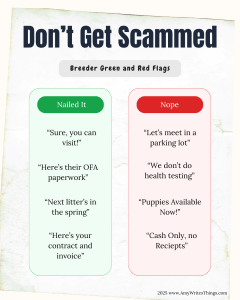
Infographic titled "Don't Get Scammed: Breeder Green and Red Flags" A good breeder will let you visit, show you paperwork, won't have a puppy for you now, and has a contract and receipt for you.

Spot the Good Ones and Stay for a While: Questions to Ask Your Breeder

Good breeders want you to ask questions. Their dogs mean a lot to them, and they want puppies going into good homes.

They’ll also want to know about you. Expect questions about your experience with dogs or the breed, vet, income, housing, current pets, and other members of your household.


💬 Here are some potential questions you might want to ask your breeder: 

  • Who is your vet? 
  • How long have you been breeding dogs?
  • What’s the average lifespan of your dogs?
  • Have any past litters had health or behavioral issues?
  • What age do you begin breeding your dogs?
  • What’s the best way to get in touch with you if I have questions?
  • What happens if I run into problems or can’t keep the dog?
  • Can I review the contract before I sign anything?

Skip Genetic Roulette and Avoid the Puppy Mill Trap

Wading through the toxic sludge of scams, shady breeders, and instapuppies is exhausting. Unfortunately, the burden falls to us in unregulated industries, but we can avoid them with the right tools.

A happy couple cuddles with their yellow lab. The dog's head is on the man's lap, while his partner looks at their dog from the bed, her hand on his shoulder.

The more time you spend finding the right, instead of the first, breeder will mean you bring home a healthy puppy for a lifetime of fetch, wigglebutts and wet noses.

Have you ever bought a puppy from a breeder? What was your experience? Share your story below.

Prefer podcasts over paragraphs? Catch the audio version here.

Doodles: Best Dog Ever or a Ticket on The Hot Mess Express?

Doodles are cute, but pet professionals call them a nightmare. Learn what doodle owners aren’t told and how shady breeders set everyone up to fail.


Prefer to Listen?

Neuroqueer: At the Intersection of Neurodivergence and Queerness Amy Says Things


Are Doodles More Controversial Than Pit Bulls?

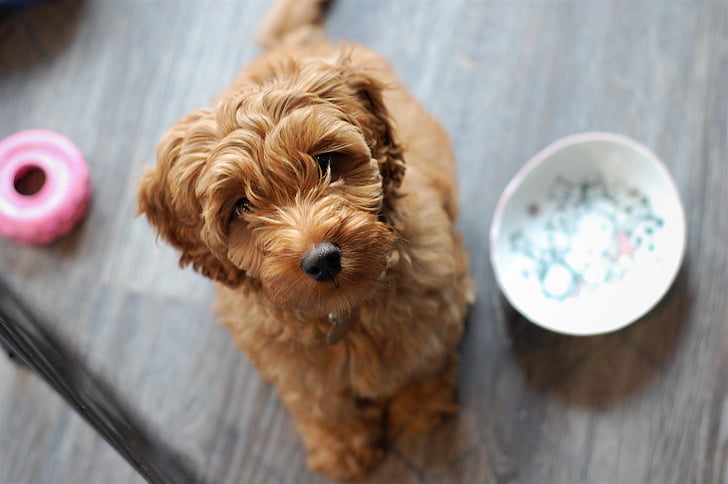
An apricot colored goldendoodle sits beside a bowl with a toy in the background
Image via www.pickpik.com

Doodles are an intelligent, friendly, and low-shedding dog with a devoted following, but they’re very polarizing . Those that love them ask, how could anyone hate such a cute, goofy, cuddly, and sweet dog?

But if you ask a pet professional about the dog they don’t want to work with, doodles top the list. Every one I know has at least one horror story of a matted, hyperactive, mouthy doodle.

What’s going on here? Why is there such a big disconnect?

Designer Dogs Have Hidden Costs

Labs and goldens are family favorites because of their sweet, easygoing nature. It was easy to find them and their mixes in shelters, but they’ve been replaced by bully breeds and huskies. Although bullies in particular make great family dogs, they’re intimidating for first time pet owners, unlike a doofy lab mix. Nowadays it’s easier to find a non-bully mix from a breeder.

When you have a specific dog in mind, like a doodle, it’s easier to find a breeder than risk the behavioral crapshoot with a rescue. Personally, I’m an “adopt, don’t shop” girlie, but there is a need for breeders committed to producing litters of healthy, stable puppies that thrive in family homes.

A designer name comes with a hefty price tag, which means the dog has to be irresistible, and doodles are adorable. Even the most jaded pet pros lose their minds over large dark eyes and curls. Those puppies are next-level cute!

But pros know the doodle’s dirty secret: most buyers get their dog from breeders who care more about profit than the dogs they produce.

Doodles Are Marketed as a Product, Not a Pet

Doodles are sold as a low-maintenance, trainable dog that’s good with children. Websites feature children hugging puppies with teddy bear faces or wearing service dog vests, promising the perfect family companion. Like Amazon, they’re set up to lure you into impulse shopping.

They don’t tell prospective buyers about their upkeep or potential pitfalls. That’s for you to discover on your own to a chorus of “You didn’t do your research!”

They call themselves a “family operation”, but having three or more whelping mothers and no pictures of their living conditions means this is a business, not a home. Health testing is optional, and if it’s mentioned, used as proof that they’re not one of those guys.

Enthusiastic reviews are prominently shown, while unsatisfied customers quietly disappear. 

Doodles sold through puppy brokers or pet stores aren’t any better. They’re removed from mom, transported, and isolated in cages during a critical socialization period. It’s a recipe for lifelong behavior problems.

When the perfect puppy is anything but, owners are told that it’s a buyer beware market and they fell for one of the bad ones. But when doodles are sold the same way you’d buy a kitchen gadget from TikTok, is it any wonder when things go wrong?

Doodle Problems Begin in the Puppy Mill Pipeline

Aesthetic websites hide a dark reality of overbred, neglected mothers used until they are no longer profitable. Stressed out moms have anxious puppies, who are sold with no one the wiser. Diseases like parvo, distemper, and kennel cough spread quickly in overcrowded conditions, and buyers, not breeders, pay the vet bill. 

Health falls to the wayside when looks are everything. Exclusive coat colors like merle bring in more money than a boring chocolate brown, but a double merle dog is a walking vet bill. They want a wavy coat for the perfect teddy bear cut while ignoring genetic diseases. Both the dogs and their guardians pay the price.

Yes, a dog from a puppy mill can be a great pet. I have one: Kyleth. Her previous owner raved about how lovely the Amish family that produced her was, but I instantly knew that I had my work cut out for me. I love her, but she’s a handful with emotional and health problems that I’ll be managing for the rest of her life. None of that stops her from being a silly, cuddly little gremlin I adore.

This isn’t to say that everyone breeding doodles is a backyard breeder or running a puppy mill. There are many breeders dedicated to breeding great family dogs. It’s expensive, with pre- and postnatal care for mom, vaccines and deworming from the vet for everyone, and health testing in addition to early socialization in a home environment.

A Low Maintenance Doodle Doesn’t Exist. 

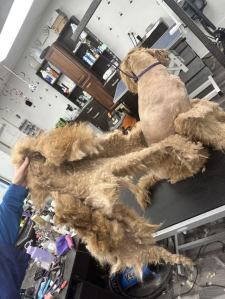
A matted doodle from a groomer on r/doggrooming. A doodle sits on a grooming table facing away while the groomer holds their severely matted coat, which is coming off in one piece

Doodles need regular grooming every four to six weeks, an expense that gets downplayed. If a family is not prepared for it, their dog’s neglected coat tangles into painful mats that cover their entire body. Groomers usually shave them, both for the dog’s comfort as well as their safety. Shaving a matted doodle isn’t a shortcut, it’s a tough task! Ever try to shave a hyperactive, stressed out 60-lb toddler with sharp teeth and no way to tell you if something hurts? 

Pet parents get upset when their doodle has to be shaved, putting the groomer or salon on blast on social media. Bad behavior from both dog and owner is a major reason that groomers refuse to take them on as clients in the future.

When it comes to their daily care and puppy raising, women take on the bulk of that responsibility whether or not they want to. It’s hard enough to juggle a busy family and a full time job without the added stress of a high maintenance dog. Ten minutes of backyard fetch isn’t a replacement for a walk, but when she’s exhausted after a long day, I get it. 

Neglected Doodles Are a Nightmare for Pros

Across social media, people looking for help for their doodle’s behavior issues are met with enthusiasts telling them it’s somehow their fault. Professionals, worn thin by years of out of control dogs, get resentful and dismissive. Everyone’s pointing fingers, and no one’s helping.

 Trainers, vet techs, and daycare attendants walk away with bruises, scratches, and more resentment, even when the pet guardian is doing their best. Working with an untrained, hyperactive doodle is like wrangling a kangaroo hopped up on Red Bull. It’s exhausting and very hard on the shoulders!

People know when their dog’s behavior is too much, so they seek out help from trainers. Group training classes are cheaper, but when it’s so overstimulating that managing the doodle class clown bogs down the lesson, you find yourself in more expensive private lessons, or worse, the trainer dropping you from class.

Love the Dog, Hate the System

Doodles are not bad dogs, but they’re not for everyone. They thrive in homes that can afford their upkeep, give them structure, and make them the center of attention like the teddy bear divas they are.

Bad breeder websites, pet stores, and puppy brokers encourage impulse shopping instead of thoughtful consideration. Online groups can be dismissive of genuine behavior problems, and professionals bear the brunt of bad behavior from both dog and owner. It’s the system, not the professionals or the people who fall in love with doodles, that fails us all.

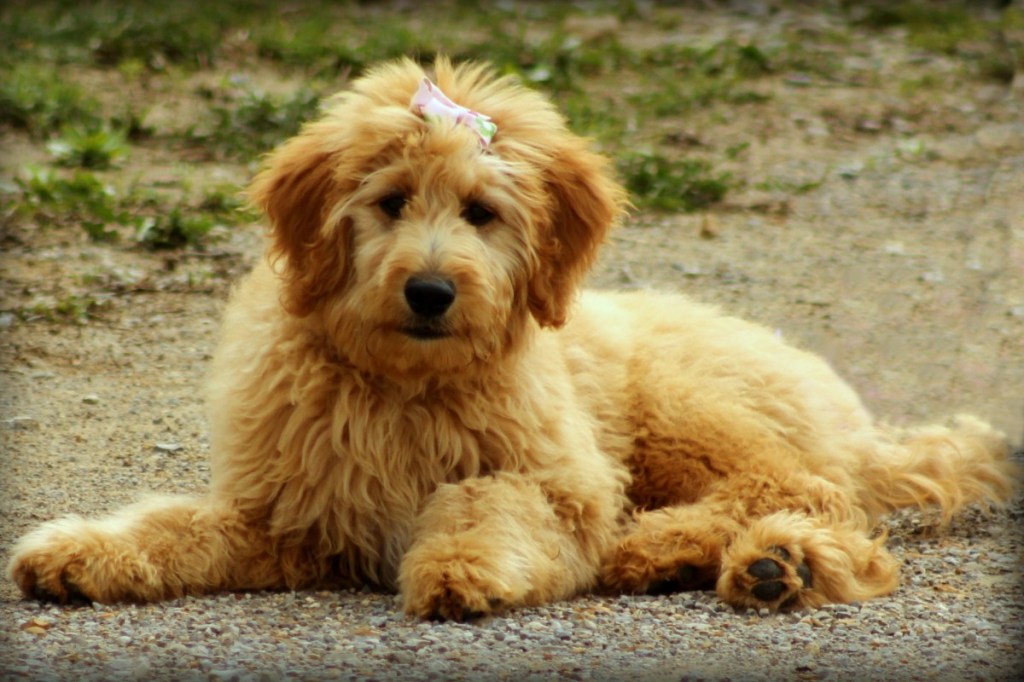
Image of a goldendoodle with a small bow on their forehead resting on a gravel surface with spotty grass in the background.

Image via pixhere.com

Next time, I’ll talk about how to spot the difference between puppy mills and reputable breeders.

 If you have a doodle, what have you struggled with? Let’s help each other in the comments below.

Prefer podcasts over paragraphs? Catch the audio version here.
Understanding Dog Resource Guarding: Signs and Solutions

It was dinnertime and Izzy was doing her usual dinner dance. She spun and sat, eager for dinner, which is kibble plus some tasty wet food. Kyleth stood in the doorway, watching silently. I set their bowls down and let them be. Izzy devoured her meal in about three seconds, while Kyleth took her time. Izzy started doing the post-dinner potty dance, so I walked into the kitchen to open the door and let Izzy out, but stopped when I saw Kyleth.

As I approached, she put her head over the bowl, chin forward, with her serious eyes locked on me. Her large, dark eyes darted over to Izzy, who has never met a meal she didn’t like. Izzy was obviously thinking about grabbing 2nd dinner as Kyleth’s curly tail got a tighter curl. She was warning both of us, “Stay away from me and my food bowl, it’s mine!” She was guarding her bowl, and giving us a serious warning.

I turned my back to Kyleth and blocked Izzy from going towards her, encouraging her to go through the kitchen and into the backyard. After I moved out of the way, Kyleth began to eat again. The drama was over and we had a pleasant evening together, but I knew that I needed to address her resource guarding before it got worse.

Resource guarding is normal.

Resource guarding can be scary, and it’s a common reason dogs bite people. It’s a natural response to having something that’s valuable to them and they want to keep it. When someone approaches, they see a threat to something they think is theirs and respond in a way to protect it from others. It’s also pretty normal to value something and get angry when it’s taken away. After all, if I snatch your cellphone from your hands, you’re going to be (justifiably) angry and respond to my rudeness. Dogs are no different.

Dogs have many ways to communicate with us and other dogs, and it’s important to let them express discomfort and anger in ways that get their point across without violence. This is why it’s recommended to not punish your dog when they growl or snarl, because it’s much safer when your dog has lots of ways to warn you before they bite. Guarding can feel unsafe, and sometimes dogs get scary when they’re protecting what’s theirs. This is why it’s important to have a multi-pronged approach to dealing with it to keep us and other members of our household safe. Prevention is as important as training! 

What does resource guarding look like?

Resource guarding can be very obvious, like snarling and growling when you approach.

In this photo, it’s pretty obvious that the dog wants us to go away from them. The flash from the camera is giving her spooky red eyes, but it makes it easy to see her pupils are pretty large. Given the context, this is a sign that she’s pretty scared. You can also see a smidge of white in the corner of her right eye, which means she’s not staring directly at the camera. She’s either warning a specific person or animal nearby or she’s not in the mood to fight. . Her ears are forward, body is stiff, and her mouth is far forward with the corners slightly behind her canines. 
Most of us know to stay away from this dog. This dog is close to biting, so it’s best to leave them alone. 

But it can be subtle
Here, this shiba is telling the shepherd to back off from the bone in front of them. 
Even though both dogs are fairly relaxed and lying down, the shiba is snarling a little, even though they’re not looking directly at the puppy. You can see lots of harsh shadows on the shiba’s face, showing off how tense they are. I often look for this to gauge their stress. This is a sign of discomfort. In this case, it’s probably because of the puppy.
The shiba isn’t making direct eye contact, which means they’re not quite ready to escalate, but it’s not off the table yet. This behavior is a way to express what they’re feeling without having to get into a fight, even though they’re angry.
The puppy has a closed mouth, pricked ears, and what appears to be a slight paw lift with their right front paw. The puppy is signaling that they don’t want any drama, and is trying to de-escalate the situation. 
If the object they want to keep is larger than them, dogs will also sit, stand, or lie down beside or in front of what they hold dear, known as body blocking. If your dog is guarding you, you may also feel them lean heavily on you, or place their butt on you, essentially putting their stank on you to mark you as theirs. 
This mixed breed dog has hard eyes, ears pointed forward, significant facial tension, and a slight paw lift with their right paw. 
If you look closely, you’ll see that the inner corner of their brows is higher than the outer corner, giving them a worried expression. The person may be holding this dog back from lunging, which only adds to their stress. 

What do I do if my dog is resource guarding?

First, stop doing whatever you’re doing

Then, it’s time to make some decisions. Are they guarding something that’s rightfully theirs, like a meal, or is it something that can be potentially dangerous or valuable to you, like a shoe? 

  • If it’s supposed to be theirs, back off and let them be. Your dog will remember that you listen to a warning and will keep warning you and others in the household instead of escalating their behavior. Kyleth still tells me not to take her bowl if there’s food in it, and I listen. 
  • If it’s not supposed to be theirs, offer a trade.

But most importantly, do not punish them for guarding! It will only teach your dog that they were right to be anxious and their behavior will escalate. Dogs aren’t dumb, and they will remember that you plus the remote equals a bad time for them, and may feel the need to protect themselves.

Change the environment so it doesn’t happen

Next, look at the environment. What can you change in order to prevent guarding in the first place? Maybe the dogs need more space in between their bowls. Yes, it’s a pain to have to feed separately, but it’s cheaper than a vet bill! High value treats and toys should only be given when you can supervise. Prevent others from getting the high value item that belongs to your dog by giving them space to enjoy it without being harassed. For objects that they shouldn’t have, make sure that they are out of your dog’s reach. I know it’s easier said than done, especially if you aren’t the only member in your household and/or live in utter chaos, but the only way to prevent a puppy from chewing on shoes is to make sure they never have access to them in the first place. 

Trade games are a safety must

Since guarding is a normal behavior, we want to teach our dogs to give up items willingly to us. Teaching your dog to trade one item for another helps them realize that you taking something away isn’t a big deal. There’s a secret to this, though: the item they get in exchange needs to be a good one. Izzy might be willing to trade a toy for some kibble, but if I try that with a bully stick, she has no problem telling me where I can shove that kibble. Up the awesomeness ante if they ignore your first offer.

Give them the new thing at their side so that they have to turn away from the object they’re guarding. For most dogs, you’ll have a second or two where you can move the thing they shouldn’t have away from them. 

I’m not a big fan of taking a dog’s food bowl away if they guard it. I want my presence to be something they associate with good stuff, not anxiety. Instead of teaching them to tolerate me taking away their food bowl, I like to stop by with something extra tasty, like a piece of chicken or turkey, dropping it in or beside their bowl, and then walking away. 

Training cues for guarding

There are two cues that I use when a dog is guarding: “Drop It” for objects in my dog’s mouth, and “Leave It” for everything else. Both are based on trade games because you will be offering them something nicer (to them) for the thing they already have. 

Start training this with low-value items instead of high-value items, but if you have specific things you want them to leave alone, bring those into your training sessions once they’ve had a little practice. For purses, shoes, bags, and remotes, I like to reward anything they’re doing that’s not messing with the item so that they really understand it’s better (and more profitable!) to leave it alone. 

“Leave It” is only half a sentence. What should they do after they’ve left the object alone? Most of the time, my answer is to move away from it, so I toss their reward away from them to give me time to pick up whatever Kyleth  has managed to get her adorable little teeth on. It’s much easier to pick up whatever Kyleth is guarding when she’s several feet away. 

As always, if you are not sure how to train a cue or you concerned about you or your household’s safety, seek help from a qualified, professional trainer. 

Although guarding is a perfectly normal behavior in dogs, by learning the subtle ways your dog communicates with you, you can address the issue appropriately by giving them space and teaching them that both leaving things alone and giving things to you mean good things for them. This will keep everyone in your household safer, and your dog more confident that they will be heard and respected.