Life has been… life. I ended up getting sick in October, and ever since I caught COVID in 2021, I don’t bounce back like I used to. I’m feeling better now, and I’ve been working on a few different projects.
One is a canine enrichment piece that I’ll start publishing over the next several weeks. I thought it was going to be a post or two, but ended up with over 6,000 words, so I’m working on turning it into an e-booklet. It’s nearing completion despite my neurodivergent perfectionist-anxiety feedback loop. (IYKYK)
I’ve also got a longer fiction project in the works. It’s still in the summary/drafting phase, so I’ll say more once I’m at a place to release parts.
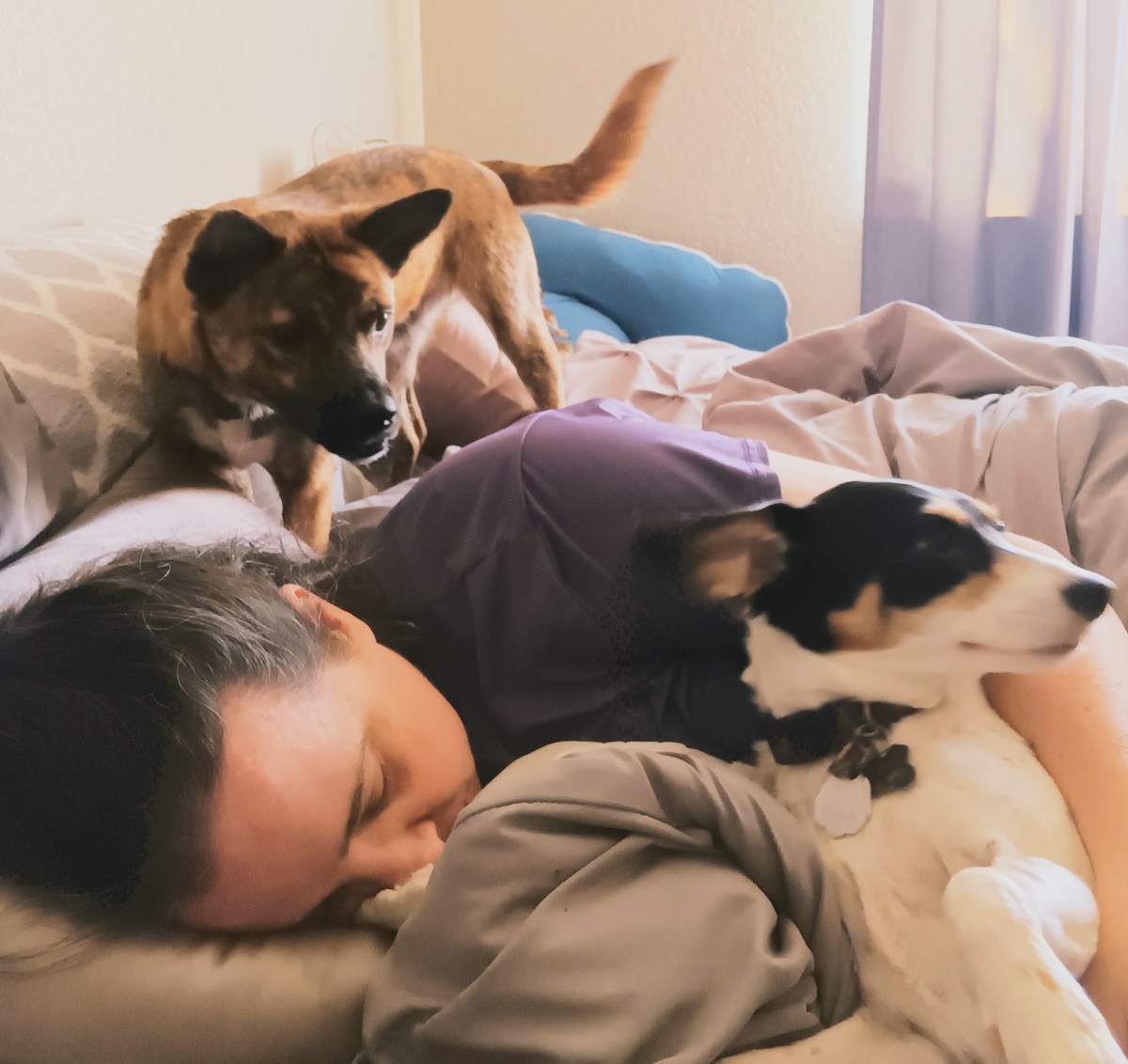
The dogs are doing well. Kyleth loves the weather and wants to cosplay as an outdoor pup, but I’m not convinced. Our last vet check revealed high liver values with Izzy, but we’re managing with medication. Last check showed improvement, so I’m hopeful. Still, it’s sad to see these problems accumulate as she gets older. The time we have with dogs is too short.
Recovering from burnout as a neurodivergent adult? This guide offers practical, compassionate steps tailored for autistic, ADHD, and AuDHD brains, from rest to resilience.
Neurodivergent burnout recovery strategies for autistic, ADHD, and AuDHD adults: practical, compassionate, and real.
I knew I couldn’t do this alone.
I found myself lying on my parents’ couch staring at a globe near the fireplace in the deepest shut down I’ve ever experienced. Somehow I found the grit to make my way to them in the midst of the worst crisis I’ve ever been in. A small part deep inside of me knew I needed help, now.
I don’t know how long I stayed there, staring and hugging a Squishmallow after my parents gently placed a blanket on me. I heard their voices from another room quietly discussing the situation, but I couldn’t move. My life was in shambles and I was adrift.
Eventually I fell asleep. My parents came to me later, plans in hand, made an appointment with a trusted psychiatrist, and with their help, I began taking steps towards healing and recovery. I couldn’t stay lost and hurting forever. I had to start the slow process of recovery and rebuild. You can, too.
In my last post, I covered the signs and symptoms of burnout. Once you recognize what’s going on, you need to take steps to recover from burnout, begin healing, and find ways to prevent it in the future.
First and foremost, give yourself time and permission to rest
Burnout is our body’s way of saying that what we’re doing is unsustainable. It was never possible, no matter how much we wanted it to be.
We have to take a step back, no matter how long it takes, so we can return to what matters. This is easier said than done when there are daily obligations like parenting or even taking care of pets, but more than anything, take as much time as you can to rest.
Find help
Maybe it’s having others take up difficult chores, reduced hours or different duties at work, asking a spouse to take up more parenting duties, or seeking help from a doctor or therapist. Reach out and build support structures to help where you struggle.
You may find yourself more sensitive to your environment than usual. Try different strategies if your usual coping methods aren’t working. Use earplugs or headphones to block out noise, wear comfortable clothing (fashion be damned), dim lights if they bug you, and find ways to make other tolerable-but-not-really irritations in your daily life easier to deal with.
Find and connect with other neurodivergent people online and see how they manage their own challenges. Community building is difficult for autistic people, but having someone who really understands what you’re going through helps build resilience through shared stories and experiences.
Outsource some of your decision makingto avoid decision paralysis. Gen AI can be really useful here. I use it to help me plan my day by telling it where I am emotionally, what I want to do, what I have to do, how much pain I’m in, and how many hours I think I can work before I collapse. I let it prioritize my list, break down complicated steps into something easier to handle, and celebrate when I cross anything off of my list. This keeps me moving forward and motivated.
If you have a trusted friend or family member who wants to step into this role, let them, but be aware that the demands you are putting on them may not be sustainable. You’ll need to find other ways to meet those needs over time.
Asking for help is morally neutral.
It’s easy for high masking people in particular to feel ashamed because we can’t do what we’re supposed to. We did not ask to be neurodivergent, nor did we sign up for a world not built for us. We have to adapt, and asking for help is one of many adaptations.
Identify Stressors and reduce them where possible
I hear you: It sounds like a pipe dream when you’ve got other people or animals relying on you. Parents and other caregivers can’t stop when you’re depleted of everything, and for those in hourly positions, taking several weeks off is not feasible. Autistic/AuDHD people may not be as in tune with their bodies, but you need a name for what’s bothering you to formulate a plan for a sustainable life. Minimize what and where you can.
Engage in stims, special interests, and activities that are enjoyable
At first, you may not be able to do much before you’re exhausted. Every little bit of pleasure or joy from a special interest helps to rejuvenate us. This is a vital step to your recovery.
High masking people may not be aware of what and how they stim after having them shamed out of us as children. One person I know likes to chew and the texture of mardi gras beads rolled between her palms, so she keeps a chew necklace and beads handy. I prefer spinner rings and fidget cubes, and re-discovered how much bouncing my leg or foot helps me concentrate and remain grounded. Get some fidget toys and experiment.
Find time to fall back in love with activities and hobbies that rejuvenate you, even if they’re solitary. My broad special interest is arts and crafts, so I crochet both as a stim and because I like to make things.
Let go of shame
This is the hardest step of healing from burnout. Running face first into your limitations feels like a failure, but it’s not.
It’s hard to let go of impossible expectations you’ve built for yourself. It takes time and a lot of self-compassion, but it is one of the most important things you can do. There is no shame in doing less if it keeps you from crashing out. Building a sustainable life, no matter what it looks like, is the only way to keep from falling into a cycle of burnout and temporary recovery
If you need extra help, finding a therapist who understands neurodivergence is a godsend. You can look for therapists who emphasize trauma-informed care, as well as those who cater to the LGBTQ community, since more of us are neurodivergent.
Re-prioritize your life
Going back to the life that caused you to burn out in the first place isn’t sustainable. We don’t have the spoons our neurotypical peers have, and our finite energy needs to be divvied among our non-negotiable “musts” and special interests.
Maybe it’s shifting to a part-time job, having a parent or friend take the kids once a week, taking the dogs to daycare, or carving out a portion of each day dedicated to you and your needs. It’s not selfish, it’s self-care and will sustain you while you deal with the stressors you can’t walk away from.
And lastly, don’t overcommit
Neurodivergent burnout is a vicious cycle, especially for those with low support needs. As soon as you feel better, it’s natural to want to go and catch up on all you’ve been neglecting, but overcommitting leads you back to a place where your body and mind refuse to work. This is harder for ADHD/AuDHDers due to a lightning bolt of inspiration and energy, but pacing ourselves (it’s hard, I know) is better than going until you can’t.
Recovery is possible, but life won’t be the same.
Neurodivergent people need different strategies to recover from burnout since it affects every part of our lives. We can’t define ourselves based on our neurotypical peers. Our path to success and happiness looks much different.
Our talents and skills lie elsewhere: finding patterns, creative insights, keen observation, and poignant ways to connect with our loved ones. Life takes a lot out of us, and we need to realize that our sensitivity is not a failure. We simply need different accommodations in order to thrive.
Energy levels fluctuate. Success is built on knowing our limits and not overextending ourselves. Burnout doesn’t mean you’re broken. The world is tailored for the allistic majority. Our needs are different, but not meaningless. You deserve rest, resilience, and joy on your own terms.
Looking for tools to help track your burnout symptoms and recovery process? I’ve created a free burnout tracker to help you better understand your symptoms, track daily progress, celebrate small wins, and give words for that big ball of emotion that keeps getting in the way.
I thought I was just failing at life. Turns out, I was deep in neurodivergent burnout. This is what it looks like from the inside, and how it’s different for ADHD, autism, and AuDHD. If you’ve ever felt broken by “normal,” you’re not alone.
I could pretend anxiety didn’t exist until I stepped in the car.
First, it was a queasy stomach as tension crept across my abdomen and into my chest. I tapped the steering wheel with staccato fingers, taking deep breaths to center myself. I yelled at drivers who ignored my personal rules, not that it helped. It got worse as I crested the bridge, despite the beautiful lakeside and surrounding city. Nothing could stop the impending dread before I stepped foot through that door. I could feel my life slipping through my fingers and the harder I tried to hold on, the more it felt like bailing out a sinking ship with a teacup.
It was harder to tolerate noises and sensations I usually had no problem with. Noisy dogs were too much, and pain from loud bass became my personal hell. I couldn’t stand the feeling of compression from leggings or cool air on my skin despite the Texas heat. I couldn’t concentrate. My memory was an even bigger pile of garbage than usual. My sanity unraveled as I struggled to take care of my dogs. I was exhausted after doing the smallest task, but didn’t listen when my body and mind screamed at me to stop. I didn’t know how to, so I crashed headlong into yet another failure.
No matter how hard I tried, I just… couldn’t. I didn’t have a name for what was going on then, but I do now: burnout.
What is neurodivergent burnout, and how does it differ from work-related burnout?
Burnout is apathy and exhaustion brought on from chronic stress. You give it your all and keep failing until you give up.
Work-related burnout comes from a toxic or traumatic work environment, unsustainable workload, or no support at home. It builds up until we can’t take it anymore, but with enough rest, therapy, and refocusing on other important areas of our life, we get over it.
Now imagine if this wasn’t one area of your life, but everything. Chores, commitments and obligations always fall short of your expectations and those around you. You’re told to be more spontaneous even though a change in plans feels like a rug has been pulled out from under you. Your spouse is both annoyed and mystified because you can’t find your keys but you can remember where they left their water bottle. You’re annoying because you’re too literal and say exactly what you mean without subtext. You clean like Tigger hopped up on caffeine but the end result isn’t actually clean, something you’ve heard over and over by your parents, roommates, and partners.
You’ve earned the label of easygoing, even though you’re in a constant state of panic. It’s easier to go with the flow and shove all the “wrong” parts of yourself so far down you no longer know who you are or how you feel. You’re not genuine around anyone, ever. You’ve become a people pleaser to save yourself from shame.
The mask eventually cracks. The treadmill of life is going too fast, even though you hold on for dear life. Your bucket of woe overflows and you implode.
There’s exhaustion, and then there’s… this.
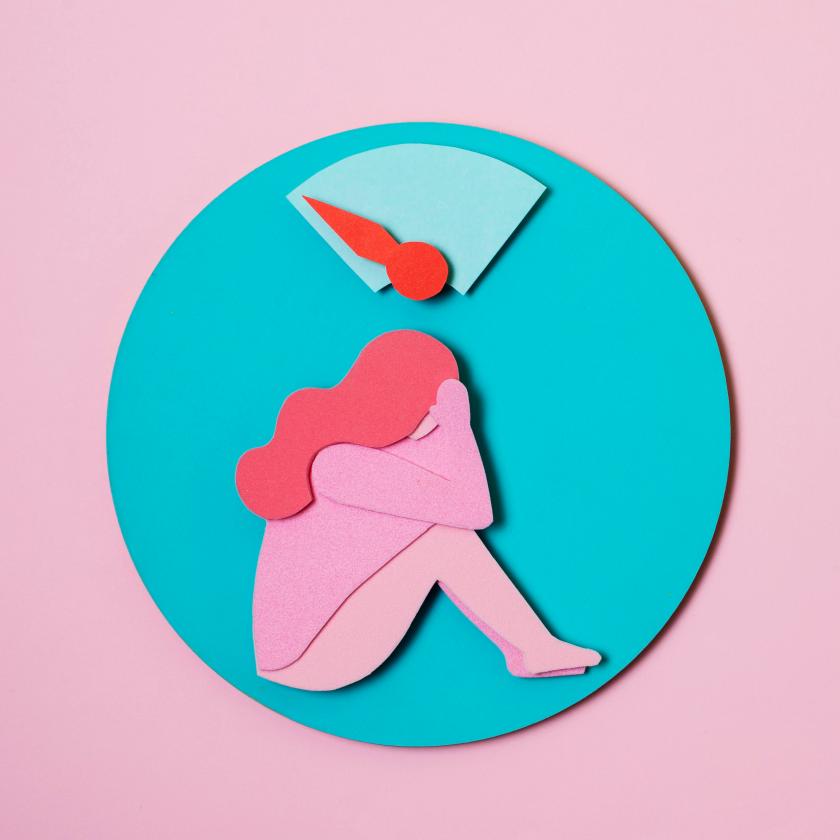
Neurodivergent burnout is marked by extreme exhaustion, dysregulation of emotions, anxiety, and depression that destroys our ability to carry on daily tasks. It’s like going through your daily life with a bad case of the flu or Covid, except there’s no virus making you feel this way.
You used to be able to handle kids, a full-time job and your spouse, and now you can’t get out of bed. The smell of food is nauseating, but somehow you’re expected to feed yourself.
You stink because you haven’t showered, even though you know it will make you feel better. As the gulf between “want to” and “can” gets wider, exhaustion gets worse. Shame and panic attacks become routine.
There are moments where you feel more like yourself, but they disappear the moment you play catch up on all of the people and things you’re neglecting. Watching yourself wither on the vine is terrifying, especially as days turn into months, or even years. Becoming this disabled, even if it’s temporary, feels like a profound loss.
Burnout isn’t a one size fits all experience. Our unique neurology affects how we break down and cope, making the experience unique among autistic people, ADHDers, and AuDHDers.
Autistic burnout
Autistic burnout is caused by the stress of dealing with painful or distressing sensory stimuli, masking, and the daily pressures of life piling up until the dam breaks. Once that happens, basic tasks become impossible, and every annoying noise, smell, or texture gets cranked up to eleven. Things you were able to do or tolerate suddenly become unbearable. Meltdowns happen over seemingly insignificant things.
A grocery store with bright lights, aisles of decision paralysis, and people becomes a weekly visit to hell, taking at least a day to recover from. Life shrinks to nothing, and a robust support system made up of medical professionals and trusted people (with the occasional social worker thrown in for flavor) is vital for healing.
For those of us with chronic illnesses, symptoms get worse as we struggle to cope. Occasionally, burnout can trigger new diseases like fibromyalgia.
Autistic burnout is the only one recognized with clinical criteria: chronic exhaustion, increased sensory sensitivity, and a loss of skills like thinking, remembering, and planning for three months or more. It can last years, and sometimes leads to permanent losses in ability and tolerance.
This is especially frustrating for those of us with low support needs who don’t get diagnosed until we’re already deep in burnout. Since we mask so well, we don’t have much to fall back on. Without solid support systems, our crash-outs hit even harder.
ADHD burnout
ADHD burnout strongly resembles work-related burnout, except it’s caused by the stress of masking ADHD symptoms. For us, our impulsivity, inattention, and hyperactivity get worse. Overcommitted schedules fall apart because we can’t keep up. Motivation becomes scarce, things that used to be easy are suddenly impossible, and it’s harder to control our emotions. Time blindness and procrastination further erode our lives and confidence.
Chaotic organization systems suddenly fall out from under us. You blame yourself for never finishing anything. What’s the point when it’s only going to end up in the graveyard of half finished projects and good intent?
Work and school take the brunt of it, because no matter how hard we try, we can’t concentrate. We forget projects, deadlines, and our stupid keys (again), no matter how many reminders or systems we set up. As we feel the weight of failure, exhaustion takes hold and we ask ourselves, “Why bother? We’re only going to screw it up again.”
Occasionally, we get bursts of inspiration, and we scramble to get some or all of the things we’ve neglected done. Our bosses and loved ones exclaim, “Finally!” which makes our monumental effort feel like failure. We overcompensate by overcommitting until once again, we’re unable to manage and the stress from failing again leads to worsening exhaustion.
AuDHD burnout
AuDHD burnout has features of both autistic and ADHD burnouts. Like autistic burnout, everything is too loud, too sharp, too… much. We overreact over the slightest change to our routine, and can’t remember what we did a minute ago, let alone our next appointment or deadline.
Our impulsivity leads to volatile emotions or engaging in risky behaviors we normally wouldn’t. On the surface, it resembles bipolar disorder, but without mania or hypomania. Instead of buzzing thoughts and grandiose ideas, we’re exhausted to the point we can’t move.
Worst of all, have a twisted mirage of recovery when inspiration strikes. It disappears as quickly as it arrived, leaving us in a losing game of catch up. Our obligations, housework, and job performance remain out of reach no matter how hard we try. Meltdowns, which may have been rare, become frequent and losing control in a puddle of tears or feral rage is terrifying. We can’t seem to find the words for what’s wrong.
People with both autism and ADHD are less likely to get diagnosed as children, leading to weak support systems when we crash. We still need help when we burn out, although it can be harder to get since we mask well until we can’t, leaving our loved ones as confused as we are when we fall apart.
The burnout cycles
Burnout isn’t linear, it’s cyclical. We begin at an unsustainable level of functioning until we break, followed by a crash, slowly building back to a functional baseline, overcommitment, and inevitable collapse . The cycles look different for each:
Autism
Demands are unsustainable
Prolonged stress without adequate support leads to overwhelm
Severe fatigue and meltdowns
Demands are reduced
Energy and function slowly improve, which leads to increased demands
ADHD
Inattention and impulsivity lead to failure
Stress and overwhelm
Exhaustion
Rest
Impulsivity and hyperactivity lead to another burst of energy
AuDHD
Masking leads to overcommitment
Lack of support leads to a “tough it out” mentality, masking, and overwhelm
Increased sensory sensitivities lead to irritability and meltdowns
Exhaustion leads to physical and mental collapse
Forced rest leads to another burst of energy
Once we feel better, it’s natural to try to take on the duties and obligations we had before, but this only leads us back into the cycle. We have to recognize our limits and let go of shame, which is easier said than done. For me, the experience is a lot like coming to terms with my own chronic illnesses. I had to let go of “normal” and embrace “sustainable”.
It’s okay to grieve. It’s okay to get mad. You’re not broken. You are you, with gifts and brilliance the world needs, even if you don’t always see it.
Next week, we’ll look at how to recover and rebuild a sustainable life.
Have you ever experienced this kind of burnout? I’d love to hear your story in the comments.
It costs how much per skein?! How to make yarn substitutions for your new project for a happier wallet (and/or spouse)
Turns out, the designer’s suggested yarn and hook actually matters if you’re looking to crochet a wearable item that actually fits. Don’t ask me how I know… it’s still lurking in the UFO pile of shame.
Maybe it’s the ADHD or that I have a limited budget, but I don’t often grab the same yarn that the designer used for their projects. Maybe one day I’ll be able to afford the hand dyed yarn made from angel tears and pampered goats who eat better than I do. Until then, if I’m not picking up a project made from the cheap and cheerful stuff, I need to get creative and use what I have before my yarn stash takes over my living room more than it already does.
When you’re taking a moderately hinged, or in my case, a completely unhinged, deviation from your pattern, it’s good to do a gauge swatch to make sure that you will have the same stitch count. Your finished project won’t look like the designer’s photo. Depending on if you’re using the same or different recommended fiber, your project will have a different drape, feel, and overall look. Your gauge swatch will give you a good idea of what your project will look like, as well as help you dial in your hook size to nail your stitches and/or rows per inch.
Choosing the right substitution
Yarn weight
If you’re wanting a project that is roughly the same size outlined in your pattern, the weight of your yarn is the most important thing to consider. Weight, in this case, refers to the relative thickness of the yarn. The Craft Yarn Council lists eight weights:
0: Lace (sometimes also called Thread)
1: Super Fine (often called Fingering, Sock, or Baby)
2: Fine (often called Sport or Baby)
3: Light (often called DK or Light Worsted)
4: Medium (often called Worsted, Afghan, or Aran)
5: Bulky (often called Chunky, Craft, or Rug)
6: Super Bulky (often called Super Chunky or Roving)
7: Jumbo (often called Arm Knitting Yarn)
This will get you into the ballpark of where you need to be, although there is a bit of wiggle room between the weights. “Baby” can be slightly thick and labeled as a fine (#2) yarn, or it can be very thin and light like a super fine (#1) yarn. If you choose a yarn of a different weight than the pattern suggests, it changes the final size and feel. For example, using a thicker yarn will result in a larger, denser fabric compared to the original design, even if you follow the pattern exactly. I’ve also seen that some yarns listed as a #4 medium weight yarn are nearly identical to a yarn with a Fine (#2) weight. This is where swatching will save you from frogging hours of work.
If you’re digging through the random balls of yarn that have been in your stash since skinny jeans were ubiquitous and the label has long since wandered off, you can get an idea of your yarn’s weight by counting the wraps per inch. Simply grab a ruler and wrap the yarn around for an inch or so snugly but not tightly and count the number of loops. This is more of a rough estimate as to your yarn’s weight, but it’s enough to get an idea as to whether or not it will be appropriate for your project.
Approximate WPI for each weight:
Wraps per inch
Yarn weight
30-40
0- Lace
14-30
1- Super Fine
12-18
2- Fine
11-15
3- Light
9-12
4- Medium
6-9
5- Bulky
5-6
6- Super Bulky
1-4
7- Jumbo
If you want a more precise substitution for your yarn, you can find suggestions on yarnsub.com. Simply enter in what the pattern calls for and it will give you similar yarns in a variety of price points and fibers to find your perfect match.
Once you know the weight of the yarn you need to use for your project, you can then start to look at the fiber of the yarn.
Yarn fibers
There is a big caveat here: the type of fiber you use will make a drastic difference in how the fabric looks and feels. Sometimes this is necessary, especially if you’re allergic to a type of fiber, hate the way a specific fiber feels against your skin, do not wish to use animal products, or just want to treat yourself. Matching the designer’s choice of fiber will keep your finished project looking and behaving more like how the pattern was envisioned.
The three big categories here are animal, plant, and synthetic. Within each of those you will find a variety of fibers to suit your needs and budget.
Animal
Wool is the most common animal fiber for yarn, and it’s thick, warm, and easy to find, even at craft stores. You can find it in a ton of colors, weights, quality, and price.
Cashmere is yarn made from goats, and is soft and luxurious. It’s ideal for lightweight but warm garments like sweaters and cardigans.
Mohair is also made from goats, but due to its fine, fuzzy nature, it’s not great to crochet with by itself and benefits from another, less fussy yarn carried alongside it in a project.
Alpaca is warm and delightfully silky. It’s one of my favorites, even though I live in Texas, where it’s not appropriate for 10 ½ out of 12 months. I usually opt for a fine or super fine weight and an open, lacy pattern.
Silk is expensive but has unparalleled sheen and softness. You’ll usually find this in a blend, where its luxurious sheen and drape can enhance other fibers. It’s a great fiber as it will keep you both warm and cool, depending on the weather and stitch.
Plant
Cotton is the most common plant-based yarn you can find. Unfortunately, the cotton yarn I find in my local craft and big box stores is, frankly, awful. It’s thick, scratchy, and good for nothing but dishcloths, but don’t let that turn you off of cotton! I’m a huge fan of mercerized cotton, which is softer, shinier, and smoother than unmercerized cotton.
Linen is a fantastic yarn for summer projects! It’s lightweight, well-known for its moisture-wicking properties, and doesn’t stretch out like other fibers do. It can, however, be stiff and is notorious for splitting.
Bamboo is relatively new, and despite it being more expensive than cotton, is a fantastic, soft yarn that is great for a variety of projects. You’ll sometimes see this listed as viscose or rayon, which are synthetic techniques for turning cellulose into fiber.
Synthetic
Acrylic is by far the most common synthetic yarn you can find. While it has a bad rap from some yarn snobs, it’s the perfect choice for people new to any fiber art due to its availability and affordability. While there are some low-quality, crunchy acrylic yarns out there (IYKYK), there are also some delightfully soft and high quality brands that are a dream to work with.
Nylon is seldom used on its own, but is often found in blends to help make yarns stronger and more durable.
Rayon/viscose is a soft, silky yarn that is made from regenerated cellulose. It’s also a common blend to help increase softness and luster in yarns.
One of the things I love about crochet is that I can make a garment that’s exactly the right shape and fiber for me, regardless of the pattern’s suggestion. If you love the way a particular pattern looks, you can follow the pattern down to the yarn and hooks. If you embrace the notion of “happy accidents”, use the pattern as a guide instead of a bible. If you want a similar garment, opt for a yarn that has a similar fiber content and size. If you hate the fiber, change it out for something you like more, or that’s more affordable to you!
Even though your finished garment won’t look exactly like the designer’s, it will be a garment as unique as you. There is nothing like wearing a handmade garment out and about so when someone comments on your clothes, you can casually say, “Oh, this? I made it myself.”




 Amy Writes Things