Musings on life with dogs, chronic illnesses, and crafting
Author: Amy White
I’m Amy, a freelance writer and dog trainer based in Dallas. I write about canine behavior, neurodivergent life, and the messy middle where compassion meets science. I believe in evidence-based care, honest storytelling, and meeting creatures—human or dog—where they are. 👉 www.amywritesthings.com
Life has been… life. I ended up getting sick in October, and ever since I caught COVID in 2021, I don’t bounce back like I used to. I’m feeling better now, and I’ve been working on a few different projects.
One is a canine enrichment piece that I’ll start publishing over the next several weeks. I thought it was going to be a post or two, but ended up with over 6,000 words, so I’m working on turning it into an e-booklet. It’s nearing completion despite my neurodivergent perfectionist-anxiety feedback loop. (IYKYK)
I’ve also got a longer fiction project in the works. It’s still in the summary/drafting phase, so I’ll say more once I’m at a place to release parts.
The dogs are doing well. Kyleth loves the weather and wants to cosplay as an outdoor pup, but I’m not convinced. Our last vet check revealed high liver values with Izzy, but we’re managing with medication. Last check showed improvement, so I’m hopeful. Still, it’s sad to see these problems accumulate as she gets older. The time we have with dogs is too short.
If you’re in these communities and bamboozled by the flood of late diagnoses, it’s not in your head. Go ahead and check off “Am I neurodivergent?” on your bingo card while you’re at it.😁
It took time to settle on the labels of “neurodivergent” and “queer”. After lots of self-doubt and soul searching, I eventually landed on queer, because it’s easier than going into full detail: feminine, nonbinary, and sometimes, no desire at all. Neurodivergence took longer to realize, because when I was growing up, ADHD and autism were boys’ problems.
Both queerness and neurodivergence show up in childhood and adolescence. Is it because of how we’re socialized, or are we built differently? We share a common experience of being bullied over our differences and finding community outside of the dominant culture, making it easier to ask “why?”
Seeing society’s flaws through the lens of neurodivergence
There’s something about being an outsider that makes it easier to ignore what society says we should do because it’s easier to see the flaws and hypocrisy. After all, why settle for someone you tolerate instead of someone you’re actually attracted to because it’s the “right” thing to do?
I tried that. It was the 90’s, and heteronormativity was king. I regret it now, because those partners deserved to have someone who had more than a tepid interest in them.
Coming out was a process of reading and self-reflection, something I was pretty good at. Eventually, I came to the conclusion that attraction is attraction, regardless of what their outside looks like.
Turns out, my experience is pretty typical for neurodivergent folks. We don’t know if this is because of our early traumas or if this is how we’re wired. If we’re already seen as abnormal, what’s to stop us from wondering how right the heterosexual “default” is? And if multiple consenting adults all want to be in a relationship together, why is that taboo?
It’s hard being a neurodivergent kid. While you try to find and read the fuc– er, fine manual that somehow got lost in the mail, bullies and your own missteps lead to loneliness and despair. Unlike kids today, I didn’t have to deal with assholes following me home through my phone. For many, masking becomes the only viable survival strategy to fade into the background along with your sense of self.
Neurodivergent queer kids get this twice over. Not only are they singled out for their oddness, but as their sexuality becomes clearer to those around them, their social circle shrinks further during a time when everyone is trying to find where they belong.
Here, we finally find acceptance, safety, and connection instead of assumptions.
Crushed by stereotypes about neurodivergence and queerness
It’s assumed that autistic people don’t want sex. Meanwhile, rumor has it that ADHDers are all sluts. And queer people? Weirdos with funky colored hair and piercings in surprising places who will sleep with anything with a pulse.
There’s a broad range of sexuality and desire found among neurodivergent people, from the cultural standard of cisgender, monogamous, and heterosexual to radical agender pansexual polyamory.
“Queer” is a very broad term that encompasses a lot of people and preferences. Some may be highly sexual, while others remain celibate. One person may be open to dating any and all expressions of gender, while others, like me, have a narrower set of preferences.
Stereotypes shove us into a box, removing our agency and personhood. When queerness and neurodivergence collide, we’re exploited or the victims of violence. Sometimes both. We’re not seen as individuals, but as a pariah that needs to be “fixed” when all we want is to have a meaningful life and a community that lets us express ourselves. Instead, we’re pushed to the margins of society, where we finally find community.
Twice erased, but still queer
The experience of queerness and neurodivergence is eerily similar. We’re pressured to be “normal,” which changes, depending on who’s talking. We’re left to deal with our restrictive, typecast roles and the disadvantages that come along with them.
Schools, lawmakers, and media blackball and erase us from public life.
Sex ed left us out
Both neurodivergent and queer people are overlooked when it comes to learning about sex and sexuality. Sex ed in schools is abysmal. In the US, it’s common to get a quick sermon on the dangers of STIs and how abstinence is the only option for horny teenagers. There’s little, if any, discussion on other topics surrounding sex like non-heterosexual identities, consent, abuse, masturbation, and pleasure.
It’s an uncomfortable topic to have around children, particularly disabled kids. But studies are pretty clear: age-appropriate sex education has better outcomes over our lives. As these children grow into adults, they’re less likely to find themselves in exploitative or abusive relationships (common among autistic girls) and more likely to form healthy, stable attachments as teens and adults with fewer unplanned pregnancies and STIs.
Autistic kids need a little extra support here. Our social difficulties make relationships harder, since we miss cues or come off in ways we don’t intend to. Instead, we’re left to figure it out on our own.
The system fails neurodivergent and queer communities
When we’re not punished for our queer sins, we’re fetishized as the Manic Pixie Dream Girl. She’s both autistic/AuDHD and queer-coded with her bright hair and quirky fashion, but she’s always interested in the white-bread protagonist idolizing her. Despite how she’d actually be in real life, she’s usually straight and occasionally bisexual, and hides her autistic traits outside of her odd but cute special interests.
She could be interesting. She could struggle with coming to terms with her sexuality, gender, or navigating a healthy relationship. She could struggle with giving up her comfortable solitude versus her attachment to another, or work through past traumas that are roadblocks in her current relationship. Anything would be better than a stale character that could be replaced with a sexy leg lamp.
The autistic coded Sheldon/Sherlock type is a brilliant asshole. Sherlock’s asexuality is not addressed in the original stories (blame the Victorians), and poorly handled in modern adaptations with passing mentions and none of the stigmas or pressures asexual people face. Sheldon’s inability to understand people is played up for laughs, instead of diving into the shame and anxiety it brings to the table. Both reduce autistic men to obsessive jerks, but if he’s the hero, he can still have a beautiful woman as a reward for his good deeds.
There are shows out there with good queer representation, like Steven Universe, but they’re rare. But there’s hope: queer, neurodivergent artists like Billie Eilish show the world our true potential.
What dysphoria feels like when you’re autistic
Autistic people are more likely to be trans, nonbinary, or agender. Perhaps this comes from the freedom to question norms when you’re on the outskirts of society, or maybe it has more to do with the deep discomfort of being in your own body. (probably a little of both)
I don’t have a lot of experience with dysphoria myself, aside from having to wear a uniform with a tie and feeling anxious and guilty over my body size. I reached out to some friends who are both autistic and trans who were kind enough to talk to me about their experiences. Big thank you to them!
Changes are difficult for autistic people, and when puberty hits, it can feel more like mutation than growing up. The body they were used to begins to alter itself without their knowledge or consent, morphing rapidly into something unrecognizable. Emotions around menstruation, body hair, and other physical changes linger and fester into deep discomfort and anxiety.
The survival strategy of masking makes it harder to know what they’re truly feeling, as well as those with more pronounced alexithymia. Is this normal, or something else under the surface? One friend knew when they were around ten. Fortunately, they have a supportive family and were in a better position than many others. Another friend struggled behind their mask, knowing something was wrong but never being able to put a finger on what it was until years later.
It’s hard to force yourself to fit into the gender assigned to you at birth when you feel wrong in your own skin. Demand avoidance digs in its heels, refusing to follow along and shouting, “This isn’t me!” If the box of your assigned gender doesn’t fit, it doesn’t make sense to keep cutting off parts of yourself until you pass.
If you have an autistic loved one questioning their gender, offer them a safe space. Listen, empathize, and help them navigate executive dysfunction and anxiety to get them the care they need.
We’ve always been here and we’re not going anywhere
Neurodivergence and queerness are parallel paths that converge for many of us. My childhood was typical for someone with AuDHD, but did that ostracization lead to my years of questioning sexuality and the norms surrounding it before settling on an answer that felt the most truthful to me? Or was I always primed for queerness (I have other queer family members) and my neurodivergence is a happy accident?
It’s not easy feeling like an outsider. It’s harder to form friendships or even feel a part of subcultures and communities of people like you. But somehow, we find our tribe, full of neurodivergent queer people like ourselves. Each member of this found family is precious: they are the safe haven your inner child needed but didn’t get. Whether it’s online groups, the friends you make at cons, your ride-or-die drag mother and sisters, an inclusive D&D group, or the friends who always meet up for the Pride parade, every voice that says “I know who you are and love you anyway” helps us build happier, more fulfilling lives.
If you see yourself here, I see you, too. Go find your tribe and the people who accept you in all your neurodivergent goblin weirdness. If you’re looking for one, hop on over to my facebook page and start a conversation.
After all of this, I need a puppy palate cleanser! Next time, I’m letting my dog nerd flag fly with a dive into the importance of enrichment.
Self-diagnosis of ADHD and autism is on the rise. Is it awareness or TikTok brain rot? Here’s the messy truth about online diagnoses.
The shame and anxiety of living undiagnosed
You’re late to work again. Shouldn’t have stayed up until 4 AM working on your project, but time got away from you. It always does. You’ll lose some PTO for this, but it’s better than getting written up. Your boss is tired of it, so you rush to your desk hoping they didn’t notice. You’ve been down this road before… It leads to a short conversation before you pack up your things.
The job sucks and you’re always anxious. At least the pay comes close to barely making ends meet. You can’t help but feel shame as you get older while your coworkers remain the same age. You showed promise in school, but never lived up to it. “Gifted,” my ass.
For the undiagnosed, life is a series of blue shells on a Mario Kart track. Anxiety and self-doubt are constant companions. Our outward symptoms are misdiagnosed while the underlying causes remain unseen. Discrimination around queerness, along with unemployment, addiction, and incarceration, drag us into cycles of poverty we can’t escape.
We’re told our wasted potential is our fault, leading to higher rates of PTSD, eating disorders, anxiety, depression, and suicidal thoughts. Life has us burnt out and don’t know why.
It’s estimated that about 15% of the population is running with a Linux brain instead of Windows. In the US, only 7% have been diagnosed with ADHD and a mere 2% have an official autism diagnosis. Millions suffer without ever realizing why they’re different.
Lefties will tell you it’s frustrating living in a right-handed world, but we adapt. There are workarounds, but it’s harder to find solutions when the answer isn’t as easy as noticing which hand a baby prefers. Our family’s “normal” might feel familiar to us, but look alien to our neighbors.
Prefer to listen?
Neuroqueer: At the Intersection of Neurodivergence and Queerness –
Amy Says Things
Self-discovery (and diagnosis) through your TikTok For You Page
You don’t have the bandwidth for long videos, so you’re mindlessly scrolling through Shorts. Now that you’ve got a decent buzz, you don’t care about nagging pain and distracting noises. A handsome Black man in blue scrubs talks about signs of autism in low-support individuals and something clicks. Something inside you wakes up as you re-watch the video and make connections. Your feed offers you other videos: short “put a finger down” tests that you crush, life experiences, and neurodivergent life hacks. For the first time in your life, you feel seen, and your childhood suddenly makes sense.
“Am I… neurodivergent?”
Labels are powerful, so when social media gives us one, it’s hard to ignore. We end up jumping down a rabbit hole to understand ourselves better, but it doesn’t always lead to the truth.
30% of people under 30 believe they are neurodivergent, which is higher than the actual estimated numbers. Short form videos, listicles, and quizzes are a mixture of genuine neurodivergent symptoms and common experiences warped in a funhouse mirror where we see what we want to.
When curiosity meets hyperfocus, we lose hours (well, days) digging for answers. When we come up for air, we’ve built a detective wall with more questions than answers, screaming “Bigfoot conspiracy.” It’s Schrodinger’s Diagnosis at its finest.
Misled by algorithms, Dr. Google, and our AI “therapist”
You scroll for hours, finding more content from neurodivergent creators. Your experiences are similar, but you’re not sure. All of your favorite creators seem to have ADHD, and a few admit they’re autistic. Is that a sign? You search Google for answers and strike up a conversation with AI. All the evidence seems to point to the same answer. You are definitely neurodivergent and show signs of high masking skills, but is it autism? ADHD? Both? Or are you making this up?
Algorithms are good at figuring out what we’re interested in, but it doesn’t care if the content is realistic or truthful. 15-60 seconds is barely enough time to get a simple idea across, let alone a complex one. In an ideal world, media literacy would help us separate facts from nonsense, but we’re terrible at it.
Entertainment is king. Algorithms push engagement– and rage-bait to us more than thoughtful, well-researched pieces. Short- and long-form videos give an illusion of truth, and we mistake our wading in the shallows for a deep dive into a topic. It’s easy for a creator to lie if they say it with conviction, and we keep falling for it because it feels right.
AI does this on steroids. Your favorite chatbot posing as a diagnostician isn’t accurate, it gaslights you by nodding along. Its false confidence fuels our hopes and fears, twisting them into heroes and monsters while steering us away from reality.
Even search engines lead us astray. The way we phrase questions changes our results. Our bias is baked into the query, giving us the answer we already had in mind… ask anyone who believes the earth is flat who “did their research”. Technology pulls us in by telling how good looking and smart we are (and hey, you’ve got a nice butt). It wasn’t designed to tell you the truth.
Medical professionals are understandably frustrated by this. Their expertise means nothing in the face of the “evidence” we uncovered in our shallow deep dive. In a perfect world, we’d see a doctor first for a medical diagnosis…
But the world is messy and broken.
Why so many people don’t (and can’t) get an autism or ADHD diagnosis
You start letting your leg bounce when you’re working on something, breaking the rule you learned in middle school. It feels good, and it actually helps you concentrate. You look into fidget toys and other ways to keep your hands busy and mind on task. As you delve into the experiences of those with ADHD and autism, you know you should talk to a doctor.
Trouble is, your PTO is just about gone and you work when your GP is open. Taking time off means you don’t get paid, and missing a half day or more of work means you won’t have enough for bills, not to mention the hassle of asking for time off. What if you’re wrong? Sure, you’ve run your symptoms by the DSM-5 and your online test results show a clear pattern, but are you answering it “correctly” because you figured out what the intended answer is?
I may as well lay my own cards on the table. I have an ADHD diagnosis from a professional, but not one for autism. She noted autistic symptoms, but we didn’t take it further. There are lots of reasons I think I’m autistic: family, childhood, symptoms, and masking all point to it. Maybe I’ll get an official diagnosis, but it won’t stop me from making accommodations that help.
Let me be clear: If you think you might have a medical or psychiatric condition, you should see a licensed professional. The internet may be our first stop, but it should never be the last.
Unfortunately, most people don’t seek advice from a professional.
For neurodivergent people in the US, our un- or under-employment is a major factor. Without access to affordable healthcare, we’re stuck.
If we see our doctor, they refer us to a specialist, as they should. This means more waiting, hoping they’re affordable and within our network, and testing. If we don’t live in or near a large city, specialists can be hours away. It’s a long, expensive, and time-consuming process. Is it worth the hassle?
Countries with more robust healthcare systems, like England, face different barriers. Wait times for specialists can be years long, and paying for it can cost upwards of £800 ($1,084). If you’re in a low-wage job due to a criminal record, substance use disorder, severe depression, or disability from a chronic illness, it’s out of reach, too.
Anxiety is common among neurodivergent people… who would have thought that constantly monitoring our behavior so that we appear neurotypical would be bad for your mental health? Social struggles are already a hassle and a half, and worrying about being called a hypochondriac or drug-seeker makes it worse.
Autism and ADHD were seen as (white) boys’ problems until recently. There are lots of clinicians who still hold this belief, leaving adults, minorities , women, and girls behind. And if we’re smart enough to be labeled gifted or learned how to mask our symptoms early on, we pass under the radar. ADHD plus autism is surprisingly common, but it gets missed when Autistic rigidity is tempered by ADHD impulsivity.
An official diagnosis is bittersweet. I’m relieved to have a name and sad I carry a label. It’s not the first time I’ve been down this road, but it took time to come to terms with it.
There is hope. Telehealth visits make it easier to see doctors. We can bypass our social anxiety and remain in a safe place while we deal with our fear of people in white coats. Healthcare should be accessible to everyone, and using technology within the system is an important step towards that goal.
As we understand the lifetime impacts of undiagnosed neurodivergence, we are seeing more adulthood diagnosis, particularly inattentive ADHD. Studies are broadening to see how race, ethnicity, and gender play a role in how symptoms show up, helping everyone get earlier diagnoses. Online communities bring acceptance, support, and help. As awareness grows, it’s less stigmatized. Social media shines as neurodivergent creators share their lives online and raise awareness..
Building community and validating self-diagnosis without losing accountability
You keep looking for ways to get a medical diagnosis, but for the first time in your life, you’ve found others like you. Dipping your toes into the waters of online communities brings a sense of peace. It’s freeing, even if they’ll never see you in person. Someday you’ll get an official diagnosis, but for now, you’ve given yourself permission to find solutions to sensory problems that plague you: headphones, earplugs, stim toys, weighted blankets, and vitamins to supplement your restricted diet. Life is brighter than it’s been in a very long time.
Online spaces agree: Get a medical diagnosis if you can. But given the significant barriers we face when it comes to getting one, self-diagnosis is valid. Sure, we may have been bamboozled by our feed, but if we like to problem-solve with a stim toy in hand, what’s the harm?
Self-diagnosis comes with responsibility, though. Anyone using a psychiatric disorder as an excuse for bad behavior is avoiding accountability. (Seriously, Kanye? “Ooops, all autistic” is BS. Do better.) Even if we miss social cues or come off in a way we didn’t mean to, we should own our mistakes and learn from them. We have to make changes so that we’re a better parent, partner, and friend to those around us instead of blaming all of our problems on neurodivergence.
Regardless of whether or not we’re “official”, we finally have the tools in hand to get the support we need. So use them, diagnosis be damned, and make your life better.
Next time, we’re going to tackle a strange phenomenon among Queer people: nearly half are neurodivergent. Why?
Do you have an official or self-diagnosis?. What tools or strategies work for you? Comment below, I’d love to hear your story.
Think you might be a Burnt Out Formerly Gifted and Talented Kid? Try my burnout tracker. It’s free and will help you spot patterns to help you heal.
Podcast: Click here for this link or here for all previous episodes
The Wrong Breeder Will Break Your Heart… And Your Bank Account.
Nearly half of U.S. households have at least one dog, and over 2 million puppies are sold each year. Most come from commercial breeders, but like any unregulated industry, practices range from exceptional to criminal. It’s a buyer beware market, and it’s up to us to know the difference.
With a few clicks and a little (or a lot) of AI help, anyone can create an attractive, legitimate-looking website. While I love being able to order emergency underpants at 2 in the morning, purchasing a puppy shouldn’t be as simple as buying a screaming goat figurine.
There are good dog breeders out there, but they rarely show up in the first few search results. It’s worth the time to find our new best friend without funding breeders who care more about money and the latest “designer” dog fad that hides health and behavioral issues, as I covered in my previous doodle deep dive.
Prefer to listen?
Neuroqueer: At the Intersection of Neurodivergence and Queerness –
Amy Says Things
The Best Breeders Aren’t Where You Think They Are
The best way to find a good breeder is to take your search offline. They don’t have time for flashy websites or active social media: they’re busy going to shows, training, participating in sports, or working their dogs in the field. Dog shows and sporting events are filled with dog nerds who can tell you who’s good and who you should avoid. Breed-specific clubs can point you to local meetups and events.
If you’re interested in a particular dog sport or activity, attend events and talk to participants and watch your potential dog in action. Seeing a Belgian Malinois crush it at a Schutzhund trial gives you a solid idea of how athletic and intense they are, and their handlers can help you decide if a malligator is a good fit for your family and lifestyle. (Spoiler: the answer is “don’t get one unless you’re nuts”)
If you’re allergic to people, disabled (or live with someone who is), or live in a rural area, breed specific websites are a good place to start. Social media groups are hit and miss. There are genuine experts in them, but they’re outnumbered by pet owners, loud opinions, and the occasional grifter. You can spot the dog nerd by their 1,000+ word essays, complete with footnotes and citations.
Why “Available Now” Puppies Are a Bad Sign
You’ve fallen in love with a breed, found good advice from fellow enthusiasts, and even have a few recommendations. Now all you have to do is visit their site, order your puppy, and start your life with your new bestie, right?
Wrong.
Now the real work begins.
Start with the Humane World’sHorrible Hundred list. It highlights the worst puppy mills and hoarders keeping dogs in inhumane conditions while selling sick and undersocialized puppies to unsuspecting buyers. It’s a solid place to start, but plenty of unethical breeders don’t make this list.
Red And Green Flags
They’re not one of the Horrible Hundred? Great! That’s the first (and easiest) step.
Head on over to their website and be skeptical. Treat cute puppy pictures like dessert and save ‘em for last. The best breeders have informative sites worth bookmarking instead of just puppies for sale.
Look for badges from professional associations like AKC’s Bred with H.E.A.R.T, and other breed clubs, usually at the top or bottom of the page. They’re not guarantees, but there are minimum standards breeders have to uphold in order to be in good standing with them. Take note of any you find, and check out the associations to see if their standards align with your expectations.
Look for breeders who produce champions, even if you don’t plan on showing. Not every puppy is cut out for the ring, but those that aren’t make excellent pets. “Champion line” is meaningless and often a sign of overbred, undersocialized dogs. These dogs have a much higher chance of genetic diseases and behavior problems.
⚠️ Red Flags Beyond Comic Sans
Typos, broken links, or sites built on free templates.
Tons of puppy glamour shots with nothing on parents.
“Clearance” sales or “rare designer colors.”
Affiliate link spam or MLMs.
Puppies shown on multiple websites or in stock photos (run a reverse image search!).
What To Know About Health Testing
More buyers know to ask about health testing, and I’m here for it. The gold standard comes from the Orthopedic Foundation for Animals (OFA), an organization dedicated to reducing genetic diseases in companion animals. Breeding dogs are tested for both genetic and joint diseases and are searchable in a public database. Puppies can get preliminary testing on their joints.
⚠️ Red flag: breeders who only list preliminary OFA results (or none at all).
Make sure their vet is a licensed DVM, and that a vet administers puppy vaccines. Avoid anyone who does their own vaccinations or has their vet tech/vet assistant “friend” do them. Breeders who do this put everyone at a higher risk of disease.
Buyer Beware: Facebook Puppies and Barking Vet Bills
During my research, I ran across a site that featured a happy celebrity holding one of their dogs. Sure, it’s exciting for the breeder, but a celebrity endorsement doesn’t mean jack when it comes to their health or temperament.
When someone is offering a rainbow of popular small and toy breeds, there’s a good chance you’re looking at a puppy mill. Mothers are stacked in cages in a misery parfait, and you’re going to inherit some problems.
Some bully breeders advertise their dogs like a UFC promo. Look closely: you’ll see an alarming amount of inbreeding sold as “proof” of their quality. If their family tree looks like 16th century European royalty, it’s a genetic time bomb. You’re going to shell out big bucks at the vet, and if you’re really unlucky, a behaviorist.
For the love of everything holy,do not buy puppies from Craigslist, Facebook Marketplace, or broker-style websites. These places are full of scammers plus the worst backyard breeders and puppy mills. I’ve known more than one heartbroken pet parent who lost their brand new puppy to parvo, only to be ghosted by their “breeder.” These people don’t deserve your hard-earned money.
Trust, But Verify: See Through BS to Find Reputable Breeders
It’s not enough to take a breeder at their word.
Call up their vet and see what they say. If they’re good, the vet, or at least their front desk, will happily sing their praises.
Go to OFA.org and look for the parent certification. (and puppy, if provided)
Cross-check their breeder associations and make sure they’re in good standing.
Anything and everything that leads to an outside source has to be double-checked.
⚠️ If they say “trust me, bro,” assume they’re shady.
Five Stars or Felonies? Know Who You’re Dealing With
Breeder websites naturally cherry pick the best reviews. What do Google, Yelp, and social media say? Is it consistent, or are there a lot of angry people complaining about the breeder elsewhere?
Next, head over to the Better Business Bureau and check for complaints and reviews. A high rating means they respond to customer complaints, but won’t tell you if they’re ethical.
Finally, look for any civil or criminal complaints against the breeder or their business. A good breeder might get sued (it happens), but anyone with several civil cases or animal cruelty charges should never get your business.
Pre-Puppy Playdates Help You Find Breeders Who Pass The (Literal) Sniff Test
You’ve found a breeder you like who seems reputable! Woohoo! It’s time to visit them in person to see if their dogs are worth your money.
❔Ask yourself, “Would I be comfortable leaving my dog here?”
Breeder Green Flags You Should Look For
✅ These are all signs of reputable breeders:
Happy to let you meet parents and any litters being socialized
If dogs are kept in kennels, they are clean and well-maintained
If dogs are kept in the home, it’s tidy with a separate whelping area
Breeder is knowledgeable and encourages questions
Transparent about any issues and provides documentation
Has puppy socialization plan and can explain it to a five-year-old
Clear about next steps, policies, and contracts
These Are Dealbreaking Breeder Red Flags
⚠️ Don’t let their bad practices become your problem.
Won’t let you meet parents, visit facility, or wants to meet elsewhere
Dirty, smelly, or chaotic environment
Vague or evasive communication
Payment only through cash, Zelle, Venmo, or gift cards
High pressure sales tactics
Selling puppies younger than 8 weeks old
Unusually high or suspiciously low prices
“Exclusive” or “rare” coat colors
No contract, or filled with clauses like going to a specific vet, a particular diet, or using supplements that they sell (How… convenient.)
Spot the Good Ones and Stay for a While: Questions to Ask Your Breeder
Good breeders want you to ask questions. Their dogs mean a lot to them, and they want puppies going into good homes.
They’ll also want to know about you. Expect questions about your experience with dogs or the breed, vet, income, housing, current pets, and other members of your household.
💬 Here are some potential questions you might want to ask your breeder:
Who is your vet?
How long have you been breeding dogs?
What’s the average lifespan of your dogs?
Have any past litters had health or behavioral issues?
What age do you begin breeding your dogs?
What’s the best way to get in touch with you if I have questions?
What happens if I run into problems or can’t keep the dog?
Can I review the contract before I sign anything?
Skip Genetic Roulette and Avoid the Puppy Mill Trap
Wading through the toxic sludge of scams, shady breeders, and instapuppies is exhausting. Unfortunately, the burden falls to us in unregulated industries, but we can avoid them with the right tools.
The more time you spend finding the right, instead of the first, breeder will mean you bring home a healthy puppy for a lifetime of fetch, wigglebutts and wet noses.
Have you ever bought a puppy from a breeder? What was your experience? Share your story below.
Prefer podcasts over paragraphs? Catch the audio version here.
Doodles are cute, but pet professionals call them a nightmare. Learn what doodle owners aren’t told and how shady breeders set everyone up to fail.
Prefer to Listen?
Neuroqueer: At the Intersection of Neurodivergence and Queerness –
Amy Says Things
Are Doodles More Controversial Than Pit Bulls?
Doodles are an intelligent, friendly, and low-shedding dog with a devoted following, but they’re very polarizing . Those that love them ask, how could anyone hate such a cute, goofy, cuddly, and sweet dog?
But if you ask a pet professional about the dog they don’t want to work with, doodles top the list. Every one I know has at least one horror story of a matted, hyperactive, mouthy doodle.
What’s going on here? Why is there such a big disconnect?
Designer Dogs Have Hidden Costs
Labs and goldens are family favorites because of their sweet, easygoing nature. It was easy to find them and their mixes in shelters, but they’ve been replaced by bully breeds and huskies. Although bullies in particular make great family dogs, they’re intimidating for first time pet owners, unlike a doofy lab mix. Nowadays it’s easier to find a non-bully mix from a breeder.
When you have a specific dog in mind, like a doodle, it’s easier to find a breeder than risk the behavioral crapshoot with a rescue. Personally, I’m an “adopt, don’t shop” girlie, but there is a need for breeders committed to producing litters of healthy, stable puppies that thrive in family homes.
A designer name comes with a hefty price tag, which means the dog has to be irresistible, and doodles are adorable. Even the most jaded pet pros lose their minds over large dark eyes and curls. Those puppies are next-level cute!
But pros know the doodle’s dirty secret: most buyers get their dog from breeders who care more about profit than the dogs they produce.
Doodles Are Marketed as a Product, Not a Pet
Doodles are sold as a low-maintenance, trainable dog that’s good with children. Websites feature children hugging puppies with teddy bear faces or wearing service dog vests, promising the perfect family companion. Like Amazon, they’re set up to lure you into impulse shopping.
They don’t tell prospective buyers about their upkeep or potential pitfalls. That’s for you to discover on your own to a chorus of “You didn’t do your research!”
They call themselves a “family operation”, but having three or more whelping mothers and no pictures of their living conditions means this is a business, not a home. Health testing is optional, and if it’s mentioned, used as proof that they’re not one of those guys.
Enthusiastic reviews are prominently shown, while unsatisfied customers quietly disappear.
Doodles sold through puppy brokers or pet stores aren’t any better. They’re removed from mom, transported, and isolated in cages during a critical socialization period. It’s a recipe for lifelong behavior problems.
When the perfect puppy is anything but, owners are told that it’s a buyer beware market and they fell for one of the bad ones. But when doodles are sold the same way you’d buy a kitchen gadget from TikTok, is it any wonder when things go wrong?
Doodle Problems Begin in the Puppy Mill Pipeline
Aesthetic websites hide a dark reality of overbred, neglected mothers used until they are no longer profitable. Stressed out moms have anxious puppies, who are sold with no one the wiser. Diseases like parvo, distemper, and kennel cough spread quickly in overcrowded conditions, and buyers, not breeders, pay the vet bill.
Health falls to the wayside when looks are everything. Exclusive coat colors like merle bring in more money than a boring chocolate brown, but a double merle dog is a walking vet bill. They want a wavy coat for the perfect teddy bear cut while ignoring genetic diseases. Both the dogs and their guardians pay the price.
Yes, a dog from a puppy mill can be a great pet. I have one: Kyleth. Her previous owner raved about how lovely the Amish family that produced her was, but I instantly knew that I had my work cut out for me. I love her, but she’s a handful with emotional and health problems that I’ll be managing for the rest of her life. None of that stops her from being a silly, cuddly little gremlin I adore.
This isn’t to say that everyone breeding doodles is abackyard breeder or running apuppy mill. There are many breeders dedicated to breeding great family dogs. It’s expensive, with pre- and postnatal care for mom, vaccines and deworming from the vet for everyone, and health testing in addition to early socialization in a home environment.
A Low Maintenance Doodle Doesn’t Exist.
Doodles need regular grooming every four to six weeks, an expense that gets downplayed. If a family is not prepared for it, their dog’s neglected coat tangles into painful mats that cover their entire body. Groomers usually shave them, both for the dog’s comfort as well as their safety. Shaving a matted doodle isn’t a shortcut, it’s a tough task! Ever try to shave a hyperactive, stressed out 60-lb toddler with sharp teeth and no way to tell you if something hurts?
Pet parents get upset when their doodle has to be shaved, putting the groomer or salon on blast on social media. Bad behavior from both dog and owner is a major reason that groomers refuse to take them on as clients in the future.
When it comes to their daily care and puppy raising, women take on the bulk of that responsibility whether or not they want to. It’s hard enough to juggle a busy family and a full time job without the added stress of a high maintenance dog. Ten minutes of backyard fetch isn’t a replacement for a walk, but when she’s exhausted after a long day, I get it.
Neglected Doodles Are a Nightmare for Pros
Across social media, people looking for help for their doodle’s behavior issues are met with enthusiasts telling them it’s somehow their fault. Professionals, worn thin by years of out of control dogs, get resentful and dismissive. Everyone’s pointing fingers, and no one’s helping.
Trainers, vet techs, and daycare attendants walk away with bruises, scratches, and more resentment, even when the pet guardian is doing their best. Working with an untrained, hyperactive doodle is like wrangling a kangaroo hopped up on Red Bull. It’s exhausting and very hard on the shoulders!
People know when their dog’s behavior is too much, so they seek out help from trainers. Group training classes are cheaper, but when it’s so overstimulating that managing the doodle class clown bogs down the lesson, you find yourself in more expensive private lessons, or worse, the trainer dropping you from class.
Love the Dog, Hate the System
Doodles are not bad dogs, but they’re not for everyone. They thrive in homes that can afford their upkeep, give them structure, and make them the center of attention like the teddy bear divas they are.
Bad breeder websites, pet stores, and puppy brokers encourage impulse shopping instead of thoughtful consideration. Online groups can be dismissive of genuine behavior problems, and professionals bear the brunt of bad behavior from both dog and owner. It’s the system, not the professionals or the people who fall in love with doodles, that fails us all.
Next time, I’ll talk about how to spot the difference between puppy mills and reputable breeders.
If you have a doodle, what have you struggled with? Let’s help each other in the comments below.
Prefer podcasts over paragraphs? Catch the audio version here.
Recovering from burnout as a neurodivergent adult? This guide offers practical, compassionate steps tailored for autistic, ADHD, and AuDHD brains, from rest to resilience.
Neurodivergent burnout recovery strategies for autistic, ADHD, and AuDHD adults: practical, compassionate, and real.
I knew I couldn’t do this alone.
I found myself lying on my parents’ couch staring at a globe near the fireplace in the deepest shut down I’ve ever experienced. Somehow I found the grit to make my way to them in the midst of the worst crisis I’ve ever been in. A small part deep inside of me knew I needed help, now.
I don’t know how long I stayed there, staring and hugging a Squishmallow after my parents gently placed a blanket on me. I heard their voices from another room quietly discussing the situation, but I couldn’t move. My life was in shambles and I was adrift.
Eventually I fell asleep. My parents came to me later, plans in hand, made an appointment with a trusted psychiatrist, and with their help, I began taking steps towards healing and recovery. I couldn’t stay lost and hurting forever. I had to start the slow process of recovery and rebuild. You can, too.
In my last post, I covered the signs and symptoms of burnout. Once you recognize what’s going on, you need to take steps to recover from burnout, begin healing, and find ways to prevent it in the future.
First and foremost, give yourself time and permission to rest
Burnout is our body’s way of saying that what we’re doing is unsustainable. It was never possible, no matter how much we wanted it to be.
We have to take a step back, no matter how long it takes, so we can return to what matters. This is easier said than done when there are daily obligations like parenting or even taking care of pets, but more than anything, take as much time as you can to rest.
Find help
Maybe it’s having others take up difficult chores, reduced hours or different duties at work, asking a spouse to take up more parenting duties, or seeking help from a doctor or therapist. Reach out and build support structures to help where you struggle.
You may find yourself more sensitive to your environment than usual. Try different strategies if your usual coping methods aren’t working. Use earplugs or headphones to block out noise, wear comfortable clothing (fashion be damned), dim lights if they bug you, and find ways to make other tolerable-but-not-really irritations in your daily life easier to deal with.
Find and connect with other neurodivergent people online and see how they manage their own challenges. Community building is difficult for autistic people, but having someone who really understands what you’re going through helps build resilience through shared stories and experiences.
Outsource some of your decision makingto avoid decision paralysis. Gen AI can be really useful here. I use it to help me plan my day by telling it where I am emotionally, what I want to do, what I have to do, how much pain I’m in, and how many hours I think I can work before I collapse. I let it prioritize my list, break down complicated steps into something easier to handle, and celebrate when I cross anything off of my list. This keeps me moving forward and motivated.
If you have a trusted friend or family member who wants to step into this role, let them, but be aware that the demands you are putting on them may not be sustainable. You’ll need to find other ways to meet those needs over time.
Asking for help is morally neutral.
It’s easy for high masking people in particular to feel ashamed because we can’t do what we’re supposed to. We did not ask to be neurodivergent, nor did we sign up for a world not built for us. We have to adapt, and asking for help is one of many adaptations.
Identify Stressors and reduce them where possible
I hear you: It sounds like a pipe dream when you’ve got other people or animals relying on you. Parents and other caregivers can’t stop when you’re depleted of everything, and for those in hourly positions, taking several weeks off is not feasible. Autistic/AuDHD people may not be as in tune with their bodies, but you need a name for what’s bothering you to formulate a plan for a sustainable life. Minimize what and where you can.
Engage in stims, special interests, and activities that are enjoyable
At first, you may not be able to do much before you’re exhausted. Every little bit of pleasure or joy from a special interest helps to rejuvenate us. This is a vital step to your recovery.
High masking people may not be aware of what and how they stim after having them shamed out of us as children. One person I know likes to chew and the texture of mardi gras beads rolled between her palms, so she keeps a chew necklace and beads handy. I prefer spinner rings and fidget cubes, and re-discovered how much bouncing my leg or foot helps me concentrate and remain grounded. Get some fidget toys and experiment.
Find time to fall back in love with activities and hobbies that rejuvenate you, even if they’re solitary. My broad special interest is arts and crafts, so I crochet both as a stim and because I like to make things.
Let go of shame
This is the hardest step of healing from burnout. Running face first into your limitations feels like a failure, but it’s not.
It’s hard to let go of impossible expectations you’ve built for yourself. It takes time and a lot of self-compassion, but it is one of the most important things you can do. There is no shame in doing less if it keeps you from crashing out. Building a sustainable life, no matter what it looks like, is the only way to keep from falling into a cycle of burnout and temporary recovery
If you need extra help, finding a therapist who understands neurodivergence is a godsend. You can look for therapists who emphasize trauma-informed care, as well as those who cater to the LGBTQ community, since more of us are neurodivergent.
Re-prioritize your life
Going back to the life that caused you to burn out in the first place isn’t sustainable. We don’t have the spoons our neurotypical peers have, and our finite energy needs to be divvied among our non-negotiable “musts” and special interests.
Maybe it’s shifting to a part-time job, having a parent or friend take the kids once a week, taking the dogs to daycare, or carving out a portion of each day dedicated to you and your needs. It’s not selfish, it’s self-care and will sustain you while you deal with the stressors you can’t walk away from.
And lastly, don’t overcommit
Neurodivergent burnout is a vicious cycle, especially for those with low support needs. As soon as you feel better, it’s natural to want to go and catch up on all you’ve been neglecting, but overcommitting leads you back to a place where your body and mind refuse to work. This is harder for ADHD/AuDHDers due to a lightning bolt of inspiration and energy, but pacing ourselves (it’s hard, I know) is better than going until you can’t.
Recovery is possible, but life won’t be the same.
Neurodivergent people need different strategies to recover from burnout since it affects every part of our lives. We can’t define ourselves based on our neurotypical peers. Our path to success and happiness looks much different.
Our talents and skills lie elsewhere: finding patterns, creative insights, keen observation, and poignant ways to connect with our loved ones. Life takes a lot out of us, and we need to realize that our sensitivity is not a failure. We simply need different accommodations in order to thrive.
Energy levels fluctuate. Success is built on knowing our limits and not overextending ourselves. Burnout doesn’t mean you’re broken. The world is tailored for the allistic majority. Our needs are different, but not meaningless. You deserve rest, resilience, and joy on your own terms.
Looking for tools to help track your burnout symptoms and recovery process? I’ve created a free burnout tracker to help you better understand your symptoms, track daily progress, celebrate small wins, and give words for that big ball of emotion that keeps getting in the way.
I thought I was just failing at life. Turns out, I was deep in neurodivergent burnout. This is what it looks like from the inside, and how it’s different for ADHD, autism, and AuDHD. If you’ve ever felt broken by “normal,” you’re not alone.
I could pretend anxiety didn’t exist until I stepped in the car.
First, it was a queasy stomach as tension crept across my abdomen and into my chest. I tapped the steering wheel with staccato fingers, taking deep breaths to center myself. I yelled at drivers who ignored my personal rules, not that it helped. It got worse as I crested the bridge, despite the beautiful lakeside and surrounding city. Nothing could stop the impending dread before I stepped foot through that door. I could feel my life slipping through my fingers and the harder I tried to hold on, the more it felt like bailing out a sinking ship with a teacup.
It was harder to tolerate noises and sensations I usually had no problem with. Noisy dogs were too much, and pain from loud bass became my personal hell. I couldn’t stand the feeling of compression from leggings or cool air on my skin despite the Texas heat. I couldn’t concentrate. My memory was an even bigger pile of garbage than usual. My sanity unraveled as I struggled to take care of my dogs. I was exhausted after doing the smallest task, but didn’t listen when my body and mind screamed at me to stop. I didn’t know how to, so I crashed headlong into yet another failure.
No matter how hard I tried, I just… couldn’t. I didn’t have a name for what was going on then, but I do now: burnout.
What is neurodivergent burnout, and how does it differ from work-related burnout?
Burnout is apathy and exhaustion brought on from chronic stress. You give it your all and keep failing until you give up.
Work-related burnout comes from a toxic or traumatic work environment, unsustainable workload, or no support at home. It builds up until we can’t take it anymore, but with enough rest, therapy, and refocusing on other important areas of our life, we get over it.
Now imagine if this wasn’t one area of your life, but everything. Chores, commitments and obligations always fall short of your expectations and those around you. You’re told to be more spontaneous even though a change in plans feels like a rug has been pulled out from under you. Your spouse is both annoyed and mystified because you can’t find your keys but you can remember where they left their water bottle. You’re annoying because you’re too literal and say exactly what you mean without subtext. You clean like Tigger hopped up on caffeine but the end result isn’t actually clean, something you’ve heard over and over by your parents, roommates, and partners.
You’ve earned the label of easygoing, even though you’re in a constant state of panic. It’s easier to go with the flow and shove all the “wrong” parts of yourself so far down you no longer know who you are or how you feel. You’re not genuine around anyone, ever. You’ve become a people pleaser to save yourself from shame.
The mask eventually cracks. The treadmill of life is going too fast, even though you hold on for dear life. Your bucket of woe overflows and you implode.
There’s exhaustion, and then there’s… this.
Neurodivergent burnout is marked by extreme exhaustion, dysregulation of emotions, anxiety, and depression that destroys our ability to carry on daily tasks. It’s like going through your daily life with a bad case of the flu or Covid, except there’s no virus making you feel this way.
You used to be able to handle kids, a full-time job and your spouse, and now you can’t get out of bed. The smell of food is nauseating, but somehow you’re expected to feed yourself.
You stink because you haven’t showered, even though you know it will make you feel better. As the gulf between “want to” and “can” gets wider, exhaustion gets worse. Shame and panic attacks become routine.
There are moments where you feel more like yourself, but they disappear the moment you play catch up on all of the people and things you’re neglecting. Watching yourself wither on the vine is terrifying, especially as days turn into months, or even years. Becoming this disabled, even if it’s temporary, feels like a profound loss.
Burnout isn’t a one size fits all experience. Our unique neurology affects how we break down and cope, making the experience unique among autistic people, ADHDers, and AuDHDers.
Autistic burnout
Autistic burnout is caused by the stress of dealing with painful or distressing sensory stimuli, masking, and the daily pressures of life piling up until the dam breaks. Once that happens, basic tasks become impossible, and every annoying noise, smell, or texture gets cranked up to eleven. Things you were able to do or tolerate suddenly become unbearable. Meltdowns happen over seemingly insignificant things.
A grocery store with bright lights, aisles of decision paralysis, and people becomes a weekly visit to hell, taking at least a day to recover from. Life shrinks to nothing, and a robust support system made up of medical professionals and trusted people (with the occasional social worker thrown in for flavor) is vital for healing.
For those of us with chronic illnesses, symptoms get worse as we struggle to cope. Occasionally, burnout can trigger new diseases like fibromyalgia.
Autistic burnout is the only one recognized with clinical criteria: chronic exhaustion, increased sensory sensitivity, and a loss of skills like thinking, remembering, and planning for three months or more. It can last years, and sometimes leads to permanent losses in ability and tolerance.
This is especially frustrating for those of us with low support needs who don’t get diagnosed until we’re already deep in burnout. Since we mask so well, we don’t have much to fall back on. Without solid support systems, our crash-outs hit even harder.
ADHD burnout
ADHD burnout strongly resembles work-related burnout, except it’s caused by the stress of masking ADHD symptoms. For us, our impulsivity, inattention, and hyperactivity get worse. Overcommitted schedules fall apart because we can’t keep up. Motivation becomes scarce, things that used to be easy are suddenly impossible, and it’s harder to control our emotions. Time blindness and procrastination further erode our lives and confidence.
Chaotic organization systems suddenly fall out from under us. You blame yourself for never finishing anything. What’s the point when it’s only going to end up in the graveyard of half finished projects and good intent?
Work and school take the brunt of it, because no matter how hard we try, we can’t concentrate. We forget projects, deadlines, and our stupid keys (again), no matter how many reminders or systems we set up. As we feel the weight of failure, exhaustion takes hold and we ask ourselves, “Why bother? We’re only going to screw it up again.”
Occasionally, we get bursts of inspiration, and we scramble to get some or all of the things we’ve neglected done. Our bosses and loved ones exclaim, “Finally!” which makes our monumental effort feel like failure. We overcompensate by overcommitting until once again, we’re unable to manage and the stress from failing again leads to worsening exhaustion.
AuDHD burnout
AuDHD burnout has features of both autistic and ADHD burnouts. Like autistic burnout, everything is too loud, too sharp, too… much. We overreact over the slightest change to our routine, and can’t remember what we did a minute ago, let alone our next appointment or deadline.
Our impulsivity leads to volatile emotions or engaging in risky behaviors we normally wouldn’t. On the surface, it resembles bipolar disorder, but without mania or hypomania. Instead of buzzing thoughts and grandiose ideas, we’re exhausted to the point we can’t move.
Worst of all, have a twisted mirage of recovery when inspiration strikes. It disappears as quickly as it arrived, leaving us in a losing game of catch up. Our obligations, housework, and job performance remain out of reach no matter how hard we try. Meltdowns, which may have been rare, become frequent and losing control in a puddle of tears or feral rage is terrifying. We can’t seem to find the words for what’s wrong.
People with both autism and ADHD are less likely to get diagnosed as children, leading to weak support systems when we crash. We still need help when we burn out, although it can be harder to get since we mask well until we can’t, leaving our loved ones as confused as we are when we fall apart.
The burnout cycles
Burnout isn’t linear, it’s cyclical. We begin at an unsustainable level of functioning until we break, followed by a crash, slowly building back to a functional baseline, overcommitment, and inevitable collapse . The cycles look different for each:
Autism
Demands are unsustainable
Prolonged stress without adequate support leads to overwhelm
Severe fatigue and meltdowns
Demands are reduced
Energy and function slowly improve, which leads to increased demands
ADHD
Inattention and impulsivity lead to failure
Stress and overwhelm
Exhaustion
Rest
Impulsivity and hyperactivity lead to another burst of energy
AuDHD
Masking leads to overcommitment
Lack of support leads to a “tough it out” mentality, masking, and overwhelm
Increased sensory sensitivities lead to irritability and meltdowns
Exhaustion leads to physical and mental collapse
Forced rest leads to another burst of energy
Once we feel better, it’s natural to try to take on the duties and obligations we had before, but this only leads us back into the cycle. We have to recognize our limits and let go of shame, which is easier said than done. For me, the experience is a lot like coming to terms with my own chronic illnesses. I had to let go of “normal” and embrace “sustainable”.
It’s okay to grieve. It’s okay to get mad. You’re not broken. You are you, with gifts and brilliance the world needs, even if you don’t always see it.
Next week, we’ll look at how to recover and rebuild a sustainable life.
Have you ever experienced this kind of burnout? I’d love to hear your story in the comments.
It’s time to face the music. You’ve avoided it for so long, creating fun and funky things by the seat of your pants, one wild double crochet at a time. While some of your off-the-cuff designs are great, they aren’t always wearable (ask me how I know), and there are so many stitch patterns, designs, and toys out there! It’s also really nice to have something written down to refer back to so you don’t have to keep going back to the Youtube video and suffering through ads for the 300th time.
It’s daunting at first, but with some patience, you’ll open yourself to a brand new world where you don’t have to work out all the kinks like you do for free-form projects! Learning to read and follow patterns is also one of the best ways to level up your crochet skills, giving you the ability to create better patternless pieces that look like the idea you have in your head. Even though I enjoy the challenge of making a garment without a pattern, the skills I’ve picked up from completing written patterns has been a very valuable asset for making high quality garments I wear over and over.
Before you pick up a hook, read through the pattern
I’ll be referring to the Bergen Bottle Cozy from Lion Brand Yarn’s website. You’ll need to create an account to download it, but it’s completely free and a good pattern to learn from. It’s small and easy to finish and you’ll find techniques like crocheting in the round and simple open-work (a stitch pattern with holes in it), making it a challenging but accessible pattern for those with a little crochet experience, since the project is made up of single crochet, double crochet, and slip stitches.
The Craft Yarn Council has a page to help you determine how complex a pattern is. This will help you choose projects that you can finish with confidence.
Basic/Beginner: uses simple stitches like single and double crochet and has minimal increase or decreases
Easy/advanced beginner/confident beginner: Has simple stitch patterns, color work, and shaping
Intermediate: More involved stitch patterns, color work, and shaping
Complex /Advanced: Complex stitch patterns, color work, and shaping using multiple techniques
Notes for confusing or complex parts of the pattern
Instructions for any complex or unusual stitches
Clothing usually comes with multiple sizes in the pattern, and dimensions for each size should be listed as well. Typically it will look like “ Small (Medium, Large, Extra Large) and the stitch counts will correlate within the pattern. It’ll look something like “18 (20, 24, 26)” in the pattern itself. You will follow the stitch count for the size you want.
Fortunately, good patterns are pretty easy to find both online and offline. There’s a wealth of websites like Ravelry, Hobbii, Yarnspirations, and google to find individual designers. You can also search print magazines, your local library, craft stores, and sometimes on the back of your skein label.
When you fall in love with a paid pattern, show the designer some love and purchase it from them! They deserve to be compensated for the work and revisions it took to get the pattern to you. Check out their reviews, because it’ll give you an idea how other crocheters liked (or disliked) the instructions.
Get your supplies together and find the right hook, yarn and gauge
It’s time to decide if you’re going to use the same yarn that the pattern uses, or if you are going to use something different. If you go for a different yarn, make sure that they’re similar, or else it will affect the size of your finished project.
This pattern uses a 5 mm/ 8-H hook. This is your starting point. Everyone crochets differently, and you may have a tighter or looser stitch than the designer. This is why it’s good to do a little 5 inch square test swatch to see if you’re close to theirs. You’ll find the gauge at the top of the pattern. For the Bergen Bottle Cozy pattern, it says
“16 sc= about 4 in (10 cm)”
Translation: Sixteen single crochet stitches should measure about 4 inches
If you have too many stitches, go up a hook size
If you have too few, go down.
If you’re a maverick who wants to get right down to the project, gauge be damned, godspeed.
The notes on this pattern tell us that we’re working in the round, which means we will be forming a tube with no seams. It also tells us that the strap is to be worked separately in rows (going back and forth to create a flat piece of fabric) and joined to the project.
Note 2 says “when instructed to “sc in next ch- 7 sp 2 rnds below”, insert your hook in the space that is under the 2 ch 7’s of the previous 2 rnds and work a sc crocheting the 2 ch-7’s together”
Translation: insert your hook into the chain-7 space from two rounds prior, capturing both chained rows, and then work a single crochet stitch.
Reading the pattern
The pattern is read left to right.
Each stitch is separated with a comma. If you’re using the same stitch several times in a row, it will tell you how many of that type of stitch is needed. In the Bergen Bottle Cozy pattern, round 17 says “ ch 5, sk next 5 sts, sc in last 4 sts”, meaning you will do 5 chain stitches, skip (don’t crochet into) 5 stitches, and place one single crochet in each of the last 4 stitches in the round.
There is no industry standard for whether or not the number should fall before or after the stitch, so “5 ch” and “ch 5” mean “five chain stitches.”
For lefties (hi, me too), there is no difference when reading a pattern, but your work will go in the opposite direction to the process photos. If the pattern has clear instructions, it’s not a big deal because you will still end up with a finished project that looks like what the right-handed designer made.
Stitch Count
This number usually appears in parentheses after the final stitch, although this can also vary by designer.
If the row or round does not list a specific number of stitches at the end, it’s implied that the next rows or rounds will have the same number of stitches. In the Bergen Bottle Cozy pattern, Round 17 lists “18 sc and 6 ch-5 sps”, which means once you finish round 17, you should have a total of 18 single crochet stitches and 6 chain 5 spaces. Row 18 does not have these instructions, because it will look exactly the same: 18 single crochet stitches and 6 chain 5 spaces.
It’s good practice to stop and count your stitches from time to time, especially when working on a written pattern. I like to put a stitch marker in my first stitch so I know where to start the count, and if I’m working on a flat piece, I place a stitch marker in the final stitch, since that one can be hard to see. When I’ve got a ton of stitches to count, I break them up with stitch markers into groups of 10, 25, or 50. It makes counting much easier! I still can’t count, but I find my mistakes faster.
Decoding abbreviations
The Bergen Bottle Cozy uses these abbreviations:
RS (Right Side): The side of the work that will face out.
RND (Round): The terminology for rows when you’re working in the round.
CH (Chain): With one loop on your hook, yarn over, pull yarn through the loop on the hook
ST (Stitch)
SC (Single Crochet): Insert your hook in to the stitch, yarn over, pull up a loop (there are two loops on the hook), yarn over, pull through 2 loops, leaving you with 1 loop on your hook
SL ST (Slip Stitch): insert your hook into the stitch, yarn over, pull up a loop, and pull the new loop through the first stitch on your hook. This is used to join rounds together in this pattern.
SK (Skip): Don’t crochet into these stitches
DC (Double Crochet) Yarn over, insert your hook, yarn over, and pull up a loop. There should be 3 on your hook. Yarn over, pull loop through 2 stitches. This will leave two loops on your hook yarn over, pull loop through the 2 on your hook, leaving one on your hook. The stitch is taller than a single crochet.
REP (repeat): You will be doing the exact same stitches you did earlier in the pattern. Refer to that section when you get there in the pattern.
If you’re ever unsure about what an abbreviation means, many designers include some or all of the abbreviations and definitions of the stitches used in the pattern. If you don’t see it there, the Craft Yarn Council has a page dedicated to standard abbreviations. I usually find this at the very beginning of a pattern, but this pattern has them listed at the very end. This is why it’s a good idea to read the entire pattern first so you can find where to refer back to if you forget what something means or how to do a special stitch.
Repeats
When the pattern maker wants you to repeat stitches in a row or round, you will see it listed two ways in the pattern: asterisks and in parentheses. They both mean the same thing: You will repeat the stitches a certain number of times in the pattern..
Let’s look at some examples in the pattern.
For the bottom of the cozy, repeated stitches start at the asterisk and end at the semicolon:
RND 4: ch 1, *2 sc in next st, sc in next 2 sts; rep from *around; join with a sl st in first sc- 18 sc
Translation: Chain one, put two single crochets in the next stitch. Place one single crochet in the next two stitches, then put another two single crochets in the next stitch. Repeat the 2 single crochet in a single stitch followed by two single crochets until you reach the end. (not said but implied: you will end your round on the 2nd single crochet.) Slip stitch into the first stitch. You will have 18 single crochets this round.
Round 20 uses parentheses to separate out the repeated stitches. This is more common when there is a repeated stitch pattern, as seen below. Whatever number is next to the parentheses is the number of times you’ll repeat those stitches.
“Rnd 20: Ch 1, sc in first 3 sts, (ch 7, sk next ch-7 sp, sc in next st) twice…”
Translation: chain one, single crochet in the first three stitches of the round. Chain 7, skip 7 stitches (the chain from the previous round), single crochet in the next stitch (the single crochet from the previous round), and repeat that once more.
Mama’s little helpers: stitch markers.
Stitch markers will keep you on track. When I first started amigurumi, I would put stitch markers at every increase as a visual reminder of what I was going to do, since going back and forth from the pattern to my piece is an excellent way for me to lose my place. When you’re just starting out crocheting or reading patterns for the first time, these will help keep you on track until the overall pattern becomes clear. Place your stitch markers where they make sense for you! I like to color code specific stitches or landmarks, like a green for the beginning of my round, orange for increases, and purple to mark the end of a repeat section.
It can be daunting at first, but with practice, you will master patterns and open up a whole world of new techniques, stitch patterns, and create reliable garments that fit the first time with ease.
What’s your first pattern piece? Are you working on something and need a little help deciphering it? I’d love to help, so comment below!
It was dinnertime and Izzy was doing her usual dinner dance. She spun and sat, eager for dinner, which is kibble plus some tasty wet food. Kyleth stood in the doorway, watching silently. I set their bowls down and let them be. Izzy devoured her meal in about three seconds, while Kyleth took her time. Izzy started doing the post-dinner potty dance, so I walked into the kitchen to open the door and let Izzy out, but stopped when I saw Kyleth.
As I approached, she put her head over the bowl, chin forward, with her serious eyes locked on me. Her large, dark eyes darted over to Izzy, who has never met a meal she didn’t like. Izzy was obviously thinking about grabbing 2nd dinner as Kyleth’s curly tail got a tighter curl. She was warning both of us, “Stay away from me and my food bowl, it’s mine!” She was guarding her bowl, and giving us a serious warning.
I turned my back to Kyleth and blocked Izzy from going towards her, encouraging her to go through the kitchen and into the backyard. After I moved out of the way, Kyleth began to eat again. The drama was over and we had a pleasant evening together, but I knew that I needed to address her resource guarding before it got worse.
Resource guarding can be scary, and it’s a common reason dogs bite people. It’s a natural response to having something that’s valuable to them and they want to keep it. When someone approaches, they see a threat to something they think is theirs and respond in a way to protect it from others. It’s also pretty normal to value something and get angry when it’s taken away. After all, if I snatch your cellphone from your hands, you’re going to be (justifiably) angry and respond to my rudeness. Dogs are no different.
Dogs have many ways to communicate with us and other dogs, and it’s important to let them express discomfort and anger in ways that get their point across without violence. This is why it’s recommended to not punish your dog when they growl or snarl, because it’s much safer when your dog has lots of ways to warn you before they bite. Guarding can feel unsafe, and sometimes dogs get scary when they’re protecting what’s theirs. This is why it’s important to have a multi-pronged approach to dealing with it to keep us and other members of our household safe. Prevention is as important as training!
What does resource guarding look like?
Resource guarding can be very obvious, like snarling and growling when you approach.
In this photo, it’s pretty obvious that the dog wants us to go away from them. The flash from the camera is giving her spooky red eyes, but it makes it easy to see her pupils are pretty large. Given the context, this is a sign that she’s pretty scared. You can also see a smidge of white in the corner of her right eye, which means she’s not staring directly at the camera. She’s either warning a specific person or animal nearby or she’s not in the mood to fight. . Her ears are forward, body is stiff, and her mouth is far forward with the corners slightly behind her canines. Most of us know to stay away from this dog. This dog is close to biting, so it’s best to leave them alone.
But it can be subtle
Here, this shiba is telling the shepherd to back off from the bone in front of them. Even though both dogs are fairly relaxed and lying down, the shiba is snarling a little, even though they’re not looking directly at the puppy. You can see lots of harsh shadows on the shiba’s face, showing off how tense they are. I often look for this to gauge their stress. This is a sign of discomfort. In this case, it’s probably because of the puppy. The shiba isn’t making direct eye contact, which means they’re not quite ready to escalate, but it’s not off the table yet. This behavior is a way to express what they’re feeling without having to get into a fight, even though they’re angry. The puppy has a closed mouth, pricked ears, and what appears to be a slight paw lift with their right front paw. The puppy is signaling that they don’t want any drama, and is trying to de-escalate the situation.
If the object they want to keep is larger than them, dogs will also sit, stand, or lie down beside or in front of what they hold dear, known as body blocking. If your dog is guarding you, you may also feel them lean heavily on you, or place their butt on you, essentially putting their stank on you to mark you as theirs. This mixed breed dog has hard eyes, ears pointed forward, significant facial tension, and a slight paw lift with their right paw. If you look closely, you’ll see that the inner corner of their brows is higher than the outer corner, giving them a worried expression. The person may be holding this dog back from lunging, which only adds to their stress.
What do I do if my dog is resource guarding?
First, stop doing whatever you’re doing.
Then, it’s time to make some decisions. Are they guarding something that’s rightfully theirs, like a meal, or is it something that can be potentially dangerous or valuable to you, like a shoe?
If it’s supposed to be theirs, back off and let them be. Your dog will remember that you listen to a warning and will keep warning you and others in the household instead of escalating their behavior. Kyleth still tells me not to take her bowl if there’s food in it, and I listen.
If it’s not supposed to be theirs, offer a trade.
But most importantly, do not punish them for guarding! It will only teach your dog that they were right to be anxious and their behavior will escalate. Dogs aren’t dumb, and they will remember that you plus the remote equals a bad time for them, and may feel the need to protect themselves.
Change the environment so it doesn’t happen
Next, look at the environment. What can you change in order to prevent guarding in the first place? Maybe the dogs need more space in between their bowls. Yes, it’s a pain to have to feed separately, but it’s cheaper than a vet bill! High value treats and toys should only be given when you can supervise. Prevent others from getting the high value item that belongs to your dog by giving them space to enjoy it without being harassed. For objects that they shouldn’t have, make sure that they are out of your dog’s reach. I know it’s easier said than done, especially if you aren’t the only member in your household and/or live in utter chaos, but the only way to prevent a puppy from chewing on shoes is to make sure they never have access to them in the first place.
Trade games are a safety must
Since guarding is a normal behavior, we want to teach our dogs to give up items willingly to us. Teaching your dog to trade one item for another helps them realize that you taking something away isn’t a big deal. There’s a secret to this, though: the item they get in exchange needs to be a good one. Izzy might be willing to trade a toy for some kibble, but if I try that with a bully stick, she has no problem telling me where I can shove that kibble. Up the awesomeness ante if they ignore your first offer.
Give them the new thing at their side so that they have to turn away from the object they’re guarding. For most dogs, you’ll have a second or two where you can move the thing they shouldn’t have away from them.
I’m not a big fan of taking a dog’s food bowl away if they guard it. I want my presence to be something they associate with good stuff, not anxiety. Instead of teaching them to tolerate me taking away their food bowl, I like to stop by with something extra tasty, like a piece of chicken or turkey, dropping it in or beside their bowl, and then walking away.
Training cues for guarding
There are two cues that I use when a dog is guarding: “Drop It” for objects in my dog’s mouth, and “Leave It” for everything else. Both are based on trade games because you will be offering them something nicer (to them) for the thing they already have.
Start training this with low-value items instead of high-value items, but if you have specific things you want them to leave alone, bring those into your training sessions once they’ve had a little practice. For purses, shoes, bags, and remotes, I like to reward anything they’re doing that’s not messing with the item so that they really understand it’s better (and more profitable!) to leave it alone.
“Leave It” is only half a sentence. What should they do after they’ve left the object alone? Most of the time, my answer is to move away from it, so I toss their reward away from them to give me time to pick up whatever Kyleth has managed to get her adorable little teeth on. It’s much easier to pick up whatever Kyleth is guarding when she’s several feet away.
As always, if you are not sure how to train a cue or you concerned about you or your household’s safety, seek help from a qualified, professional trainer.
Although guarding is a perfectly normal behavior in dogs, by learning the subtle ways your dog communicates with you, you can address the issue appropriately by giving them space and teaching them that both leaving things alone and giving things to you mean good things for them. This will keep everyone in your household safer, and your dog more confident that they will be heard and respected.
Mother’s Day is a haunting reminder of my endometriosis and hysterectomy at 24. On a day when I want to show love to all of the wonderful moms in my life, I find myself isolated and alone because flowers and a “Mom” balloon send me into a tailspin of selfish grief. It’s easier now that I’m in my forties and it’s a distant memory, but some years are harder than others, even after all this time.
The Family curse
I knew I had an aunt and great-aunt who had hysterectomies in their twenties, although I never knew why until the family curse fell onto me. There were warning signs before the end, but in a story too familiar to anyone with the disease, they were ignored and I was told to put them out of my mind.
One day I suddenly realized that I hadn’t had a period for over six months. I was 15 and not sexually active, so I didn’t think much of it until it stretched out to nine months when I finally made an appointment with a doctor. After an awkward but professional pelvic exam, he said I was perfectly normal and girls can be irregular shortly after puberty, and it will fix itself after a while.
It didn’t.
I was plagued by irregular periods and pain in the days leading up to it and for the first few days as my cycle began. The pain started to get worse the longer I went without a period, but I didn’t think much of it because so many of my friends had similar complaints. As it turns out, my survival strategy of instinctively finding neurodivergent friends meant many of them had similar issues. Neurodivergent people seem to be more prone to several chronic conditions, including endometriosis. Then one day, the pain became constant and I was months away from a life-altering surgery.
What is Endometriosis?
Endometriosis is a chronic disease with a strong genetic component, characterized by the lining of the uterus, or endometrium, found outside the uterine environment and in other areas of the body, typically the pelvis and abdomen. It affects about 6.5 million people in the US, or approximately 10% of the population. Pain is its most common symptom, along with infertility in nearly half of sufferers. About 12% will require a hysterectomy in order to alleviate symptoms.
It can take many frustrating years to get an endometriosis diagnosis. The average person experiences symptoms for 7-10 years before getting surgical confirmation. We’re told, “You can’t can’t really be in that much agony; some discomfort is normal.” Whether it’s intended or not, there is an unspoken message: “Stop being such a drama queen and suck it up.” Pain is a tricky thing: everyone’s tolerance is different, and those who live in constant pain often don’t look as if they’re in as much pain as they truly are. This leads to doctors not believing our symptoms or stories, or trying less effective treatments because we aren’t as distressed as they think we should be. This delay leads to more adhesions, unnecessary pain, and loss of fertility as the disease progresses.
Although most people with chronic illnesses have at least one doctor horror story, this is more of an exception than the rule in my life. My own gynecologist throughout this was a wonderful doctor, and I’m grateful for him. Most of the doctors I’ve known have been kind and compassionate people who dedicate their lives to ease the suffering of others. They are also frustrated with how insurance companies hinder treatments with red tape and denials.
The diagnosis is confirmed with a laparoscopic surgery to see the adhesions within the abdominal cavity. My first surgery was scheduled pretty quickly, where my diagnosis was confirmed, along with a damaged ovary glued to my uterus, the probable cause of my irregular periods. They lasered the adhesions they could find, closed me up, and set me on my way to recovery. The procedure was quick with minimal restrictions for a week or so, and finally having a name for my pain was a relief. At last, I learned that this disease is what led to my aunt’s hysterectomy by the time she was 27. I suspected I had a similar fate awaiting me, but both my doctor and I were determined to find a solution that would allow me to keep my fertility, such as it was.
Fortunately, there are a few newer medications on the market, particularly GnRH drugs that have fewer side effects than Lupron. Emerging therapies targeting inflammation, new surgical techniques, nerve growth, or even the microbiome are also on the horizon.
It seemed sensible to me to start off with birth control pills, as it works for many people with endometriosis, due to a suspected link with progesterone resistance. Each brand is slightly different, so I set in for the long haul of trying different brands until we found one that worked.
Armed with my new birth control and vicodin prescription (this was before the opioid epidemic took hold of the country), we started looking for that magical cocktail that would bring my life back to me. By this time, the pain was constant and horrific. My life began to shrink as I stopped going out with friends, afraid of a sudden attack of more severe than usual pain. Going to classes and work became difficult, especially standing in my sculpture class when all I wanted to do was double over and cry. I found some relief with heat patches during the day and heating pads at night, but it would only take some of the edge off. We kept trying different brands to find The One, but nothing seemed to really work, and a few made things worse. Finding the right cocktail of drugs to treat endometriosis can take some time to figure out, so I accepted that this was part of the process. We added antidepressants to the mix to help with the emotional aspect of dealing with this disease and I white-knuckled my way through the days.
I was still in pain as the agony turned from weeks into months. Sleep was a relief. It became easier to forget when I was asleep, only to wake up to the angry ball of pain in my abdomen and thought “Oh, God. Here we go again.” I took vicodin as prescribed, although it didn’t do more than take a little of the edge off. We were only beginning to find out how dangerous this could be, and while I was grateful for something more effective than Tylenol, I was not happy going through withdrawal in the hospital after my surgery.
I had a negative reaction to a progesterone only birth control pill, and I was leery of the depo-provera shot. This was before the lawsuit, when the treatment was relatively new to the market. Instead, we tried Lupron after another failed laparoscopic surgery to remove more adhesions. No change. I was still in pain, so as a last ditch effort and a final hoop to appease the insurance company, we tried the depo shot.
It didn’t work, but at this point, it wasn’t a surprise. My doctor and I both knew where this was headed.
“I don’t want to do this”
Midterms had just ended and I had gone in for my monthly excruciating pelvic exam and consult. I sat in his office, and we looked at what treatments we had left. I was exhausted, heartsick, and desperate for relief, knowing what was about to happen.
“I don’t want to do this,” he said to me, his face full of sadness and resignation.
“Neither do I,” I replied as we scheduled my surgery in early December, days after my finals ended. I was 24.
One of the scariest things I have ever done was walk into a hospital. I knew I needed surgery, but I hated it. I felt as if my body betrayed me, and this was my last and final effort to gain some control over my life and go back to some semblance of normal. I signed the papers, changed into a gown, and waited for a surgery that would change my life. I could only hope that this last drastic move would finally give me the relief I so desperately needed. I trembled like my dog does at the vet as they wheeled me into the OR where a kind nurse put a warm blanket over me as the anesthesiologist put me under.
Surgery was the easy part
As it turned out, major abdominal surgery hurt less than my daily pain. I surprised the nurses after I stopped taking morphine about 24 hours after surgery because I didn’t feel I needed it, even though it hurt. For the first time, the constant burning agony blooming across my left side and throughout my abdomen was gone. It was a relief I never dared to imagine. But it came at a heavy cost.
Many people have children in their mid-twenties, and my friends were no exception. While I struggled to accept the fact that I would never be able to have my own, those around me began their own exciting journeys as parents. The first one was born a little over a month after my surgery. My family welcomed my niece just six months later. At a time in my life when most of my peers were worried about finding love and starting families, I was trying to survive, not knowing about the brutal fallout from years of trauma from this and other life events that was about to hit. I felt as if I was on the outside looking in, isolated and alone with no one who really understood what it was like. I looked for others like me online, but found little meaningful support. My aunt understood like no other, but it was hard to put into words and we both struggled to process our experiences and the other traumatic events surrounding our hysterectomies. To this day I can’t watch anything related to pregnancy, birth, and babies in general, but it’s easier now than it was.
I consider myself lucky. I didn’t have a doctor demanding I keep suffering because I was too young. He never insisted I delay surgery just in case I wanted to get pregnant and have a child. I didn’t have to get permission from my non-existent husband. I didn’t have to wait years from the onset of my first severe symptom to diagnosis and treatment. I have a loving, supportive family who were able to help me every step of the way. The insurance company fought a little, but there was relatively little drama from that. I was fortunate that it was covered by insurance. I am so grateful for my doctor, who was so kind and more importantly, believed me when I said I was in pain.
For others, their story isn’t as straightforward. It’s important to advocate for yourself. You know your body and when something isn’t right. Tracking symptoms can be very useful for helping your medical team find the right diagnosis, and helping to manage symptoms and side effects. I prefer something along the lines of a bullet journal spread because it lets me spot patterns more easily, but apps or a spreadsheet are equally useful. Carving out time and space for this as part of a daily self-care ritual has made enormous changes in my quality of life.
I don’t regret my hysterectomy. It was the only thing that actually helped me. My life now would be impossible without it. Yes, I paid a heavy price, but it was worth it to be free from the constant agony those two years brought me. The experience leading up to it left me with some heavy scars, but one worth it in the end.
Let’s support each other. What has your experience with endometriosis been like? What have you found that works?
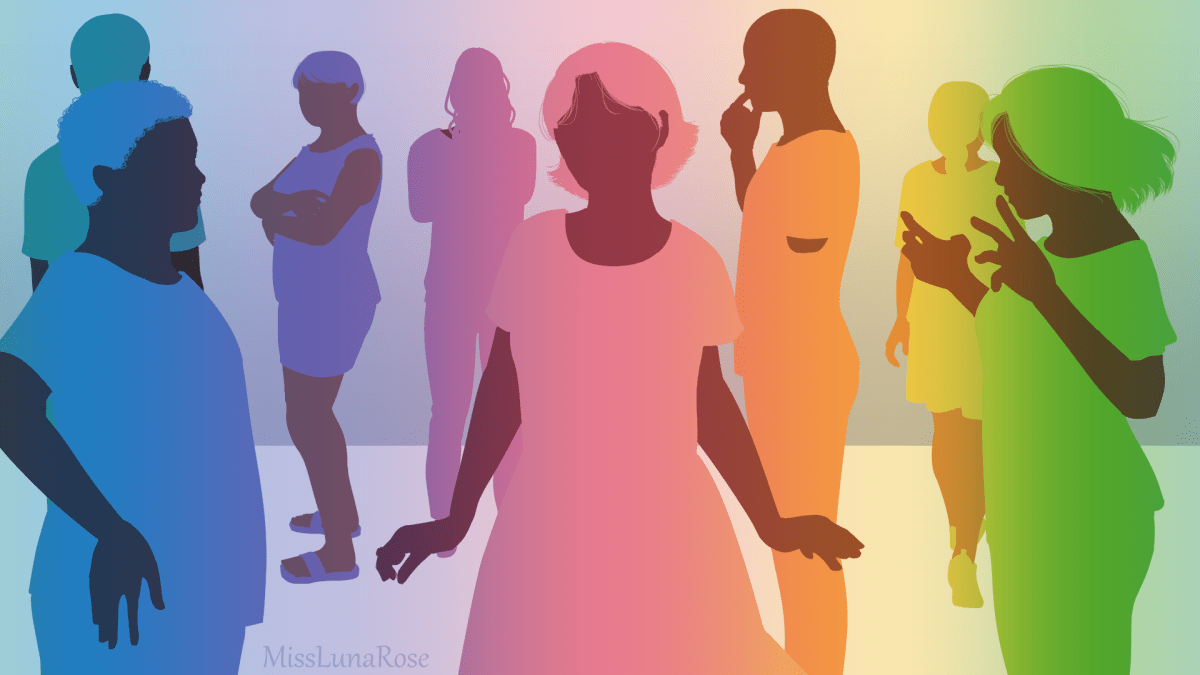
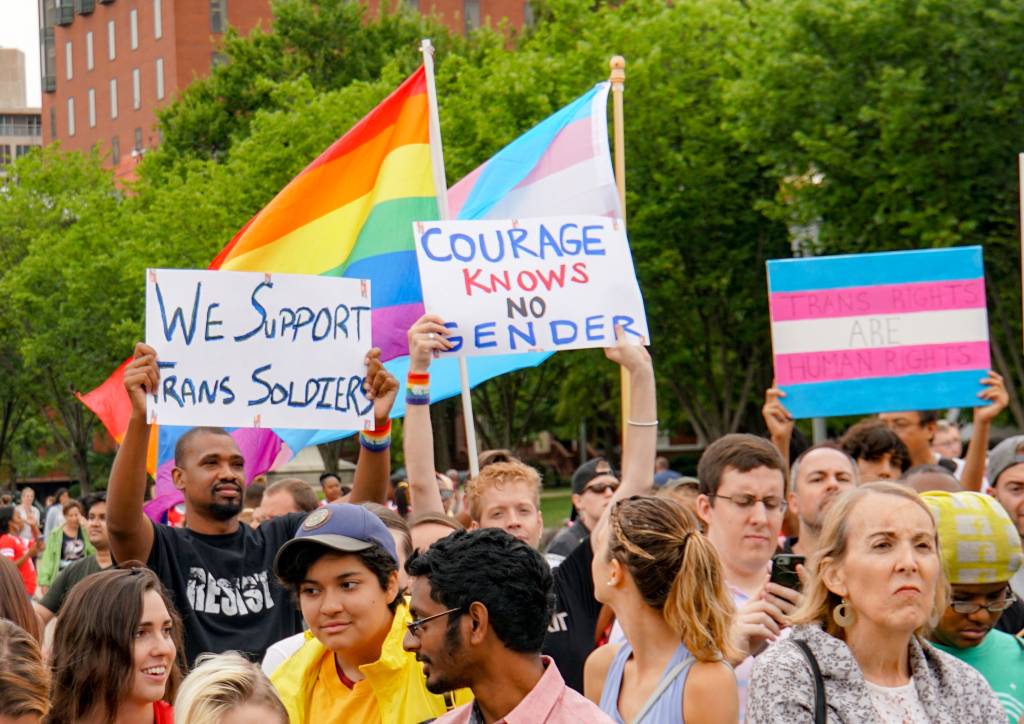






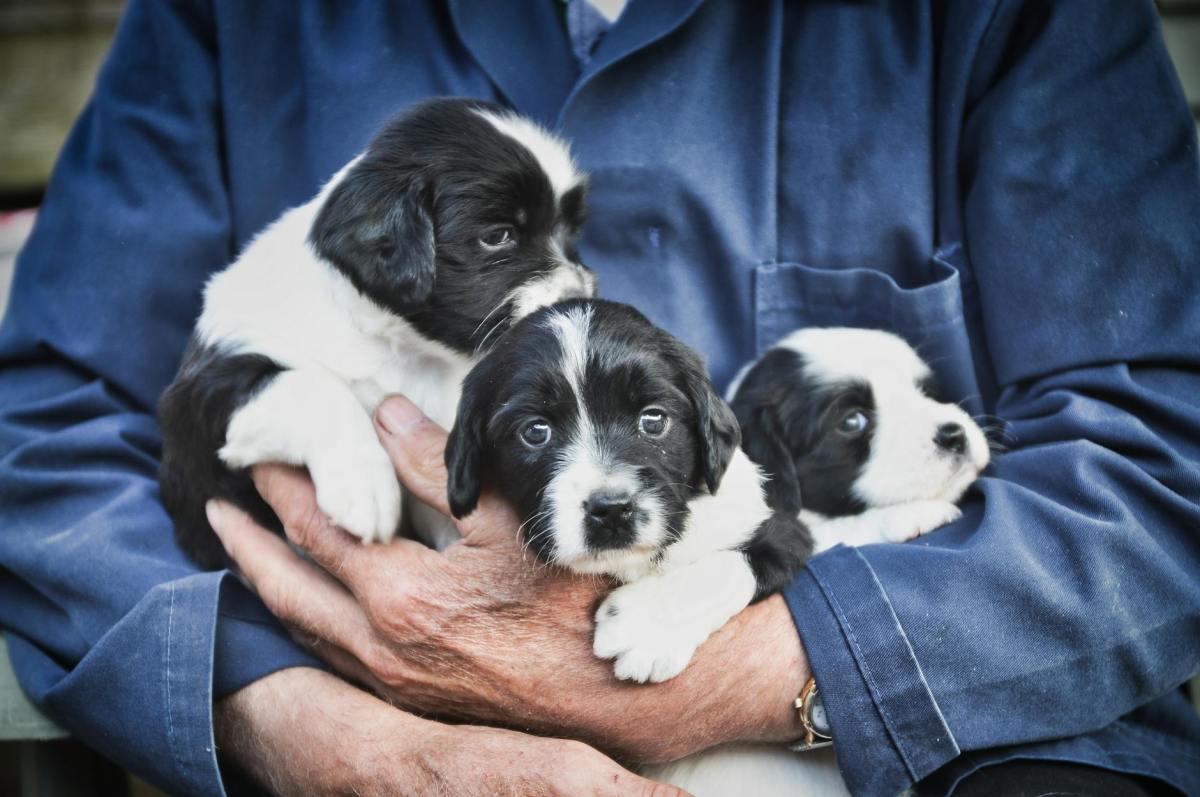
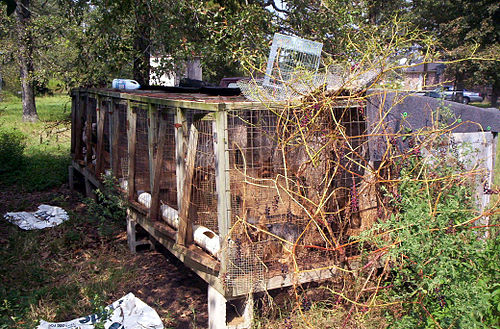
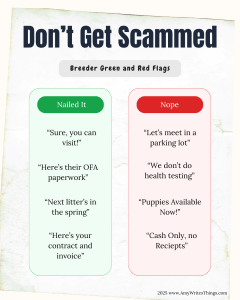

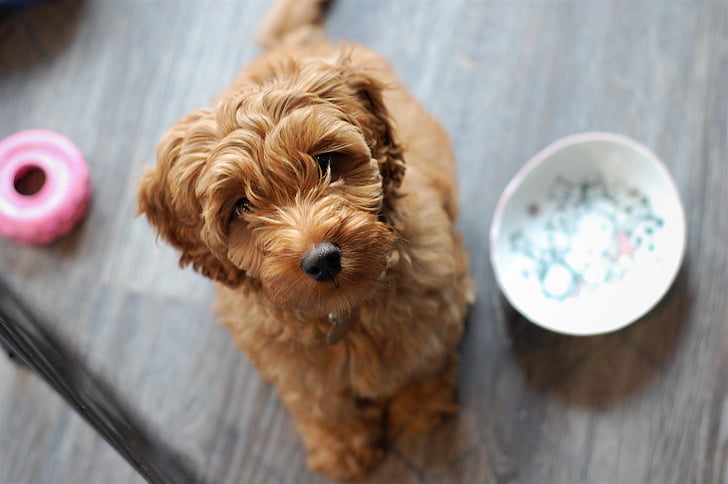

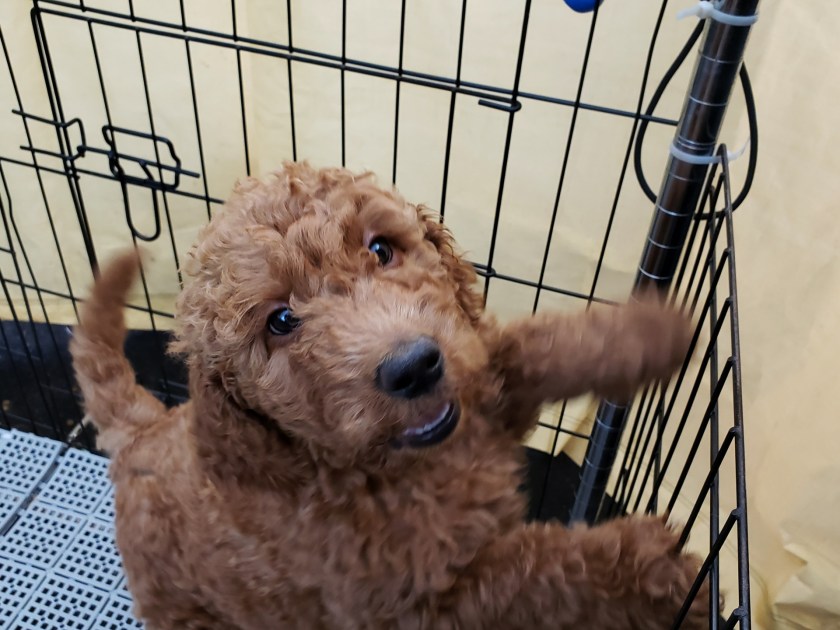
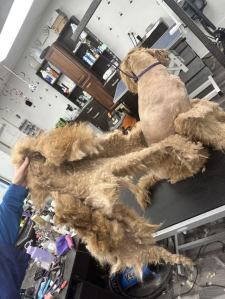

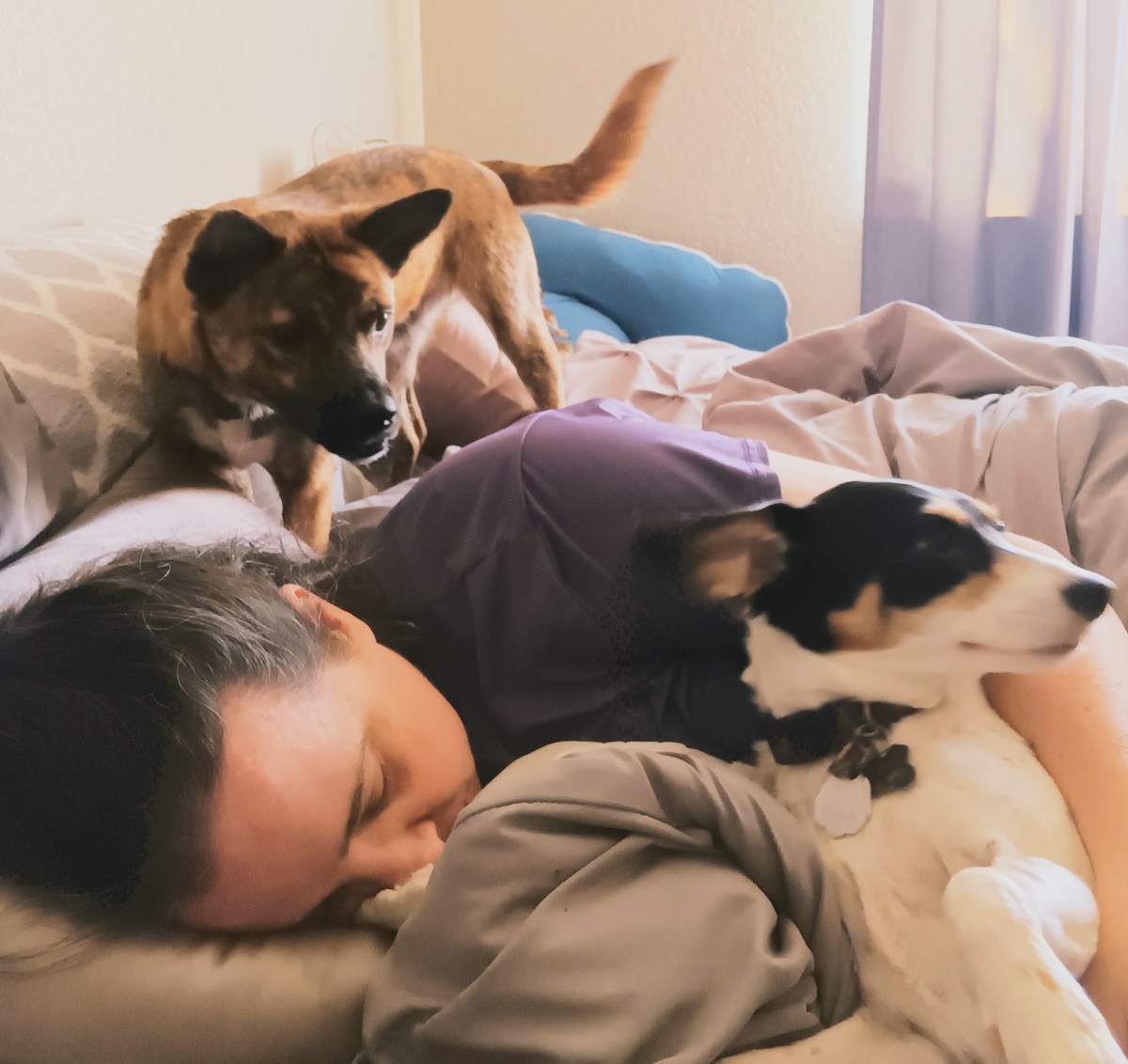


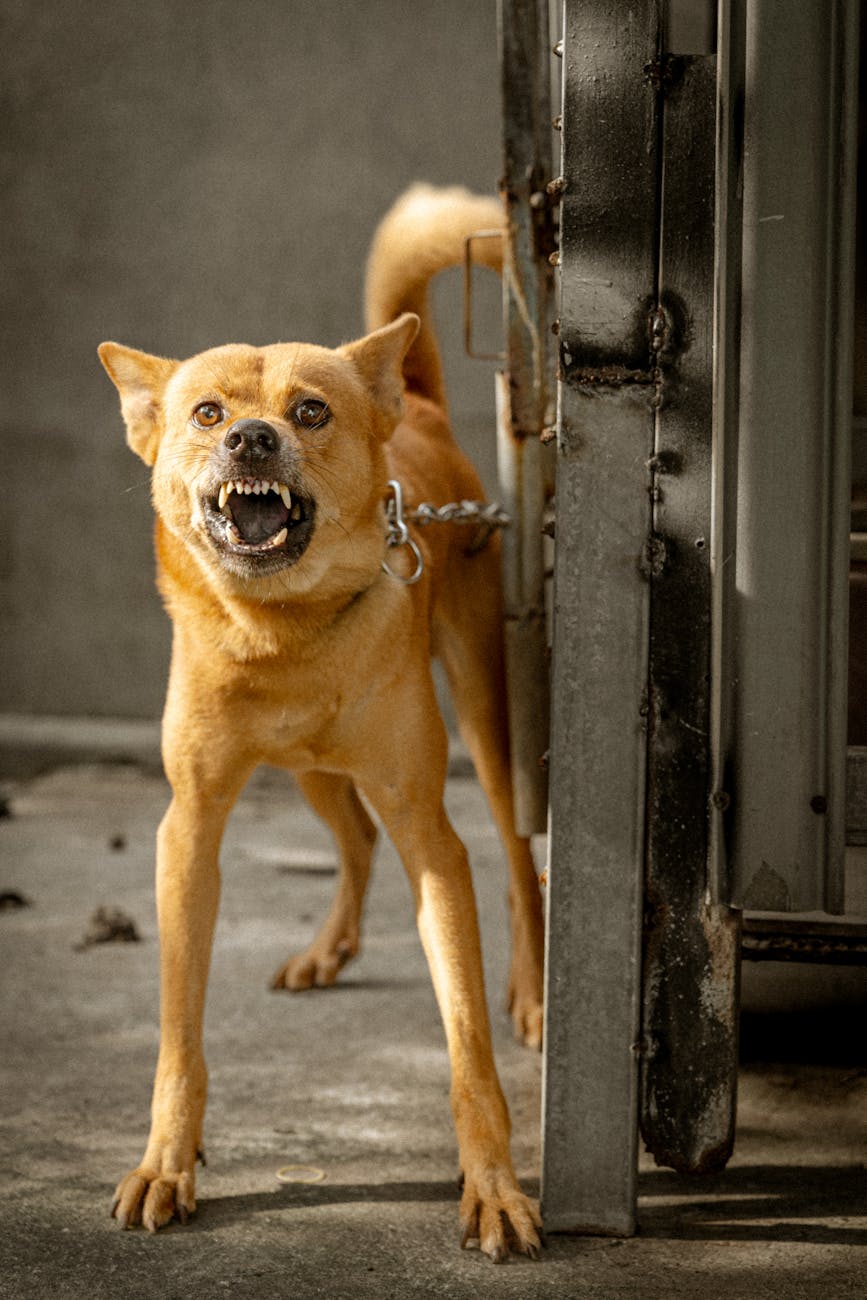


 Amy Writes Things